
The Feminist Masterpiece that redefined militant filmmaking: 50 years since Harlan County, USA
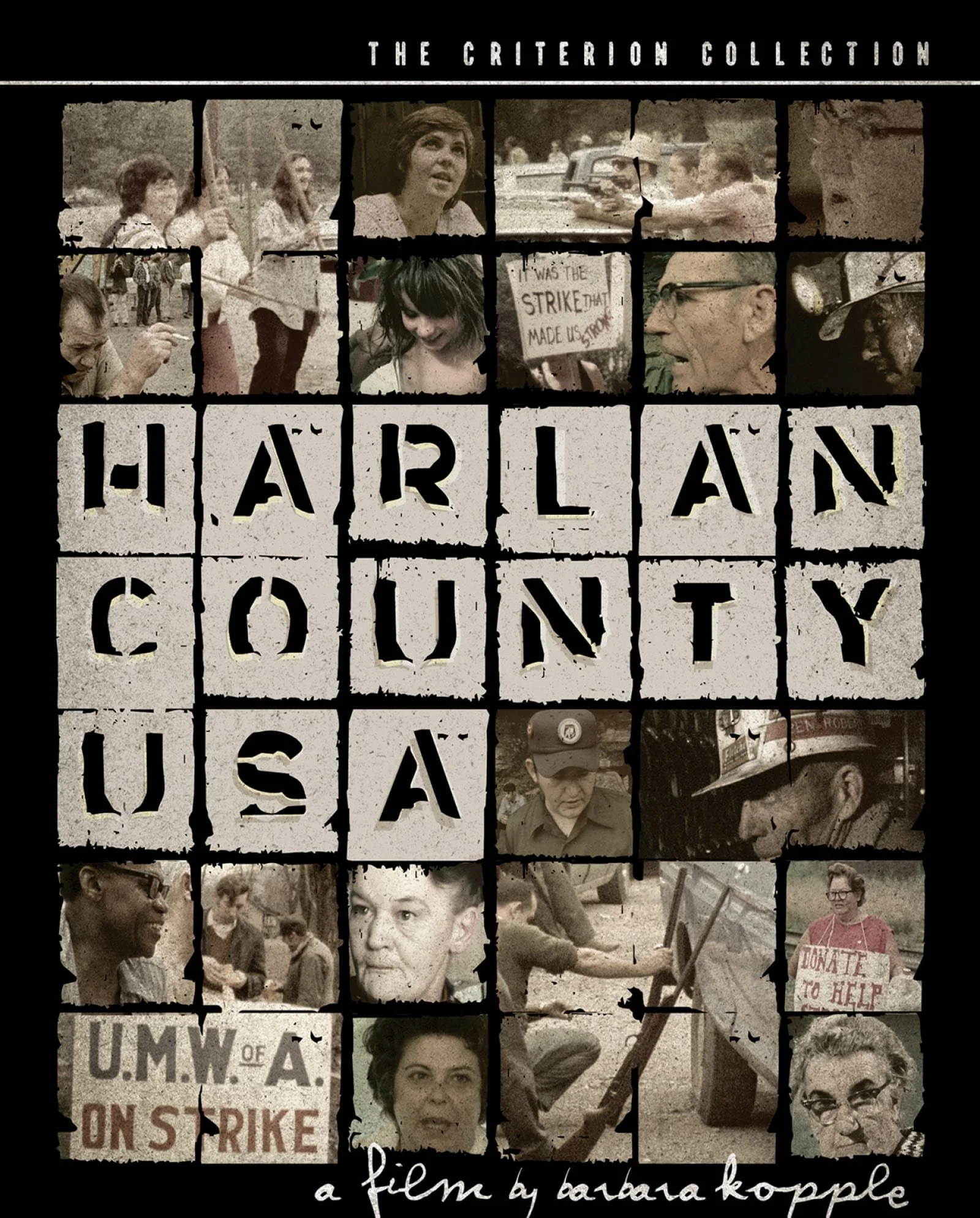
The opening shot of Barbara Kopple’s Academy Award-winning 1976 documentary Harlan County, USA, which celebrated its 50th anniversary last month, can be read as a warning to the audience that what follows is going to be incendiary. A miner stands in a shaft, detonator in hand. He yells: “Fiiiiire in the hole!” once, twice, three times, before pushing the detonator and igniting the charge, his grubby T-shirt billowing in the shockwave.
The warning proves appropriate. Surely one of the most explosive and urgent documentaries of the 20th century, Harlan County, USA is nothing less than a filmic call to arms, demonstrating how cinema does not have to content itself with merely representing social and political struggles but can, in fact, contribute to them in a practical, material way.
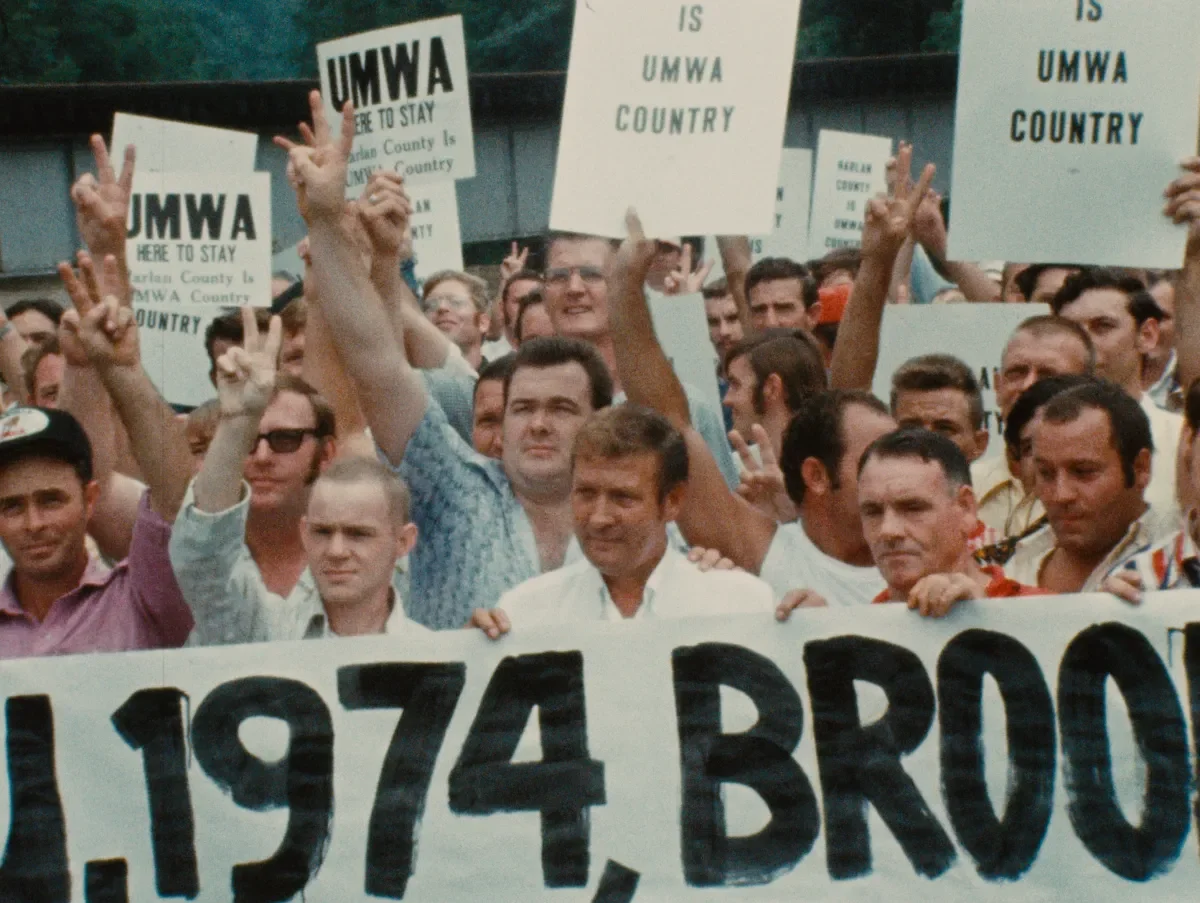
An on-screen text segment at the start of the film explains the premise in simple terms: “In the summer of 1973, the men at Brookside Mine in Harlan, Kentucky, voted to join the United Mine Workers of America. Duke Power Company and its subsidiary, Eastover Mining Company, refused to sign a contract. The miners came out on strike.” The inclusion of such a prominent informational insert sets us up for a blow-by-blow account of the strike. While that is indeed what we get, such a description fails to appreciate the creative decisions that Kopple and her team make in the edit.
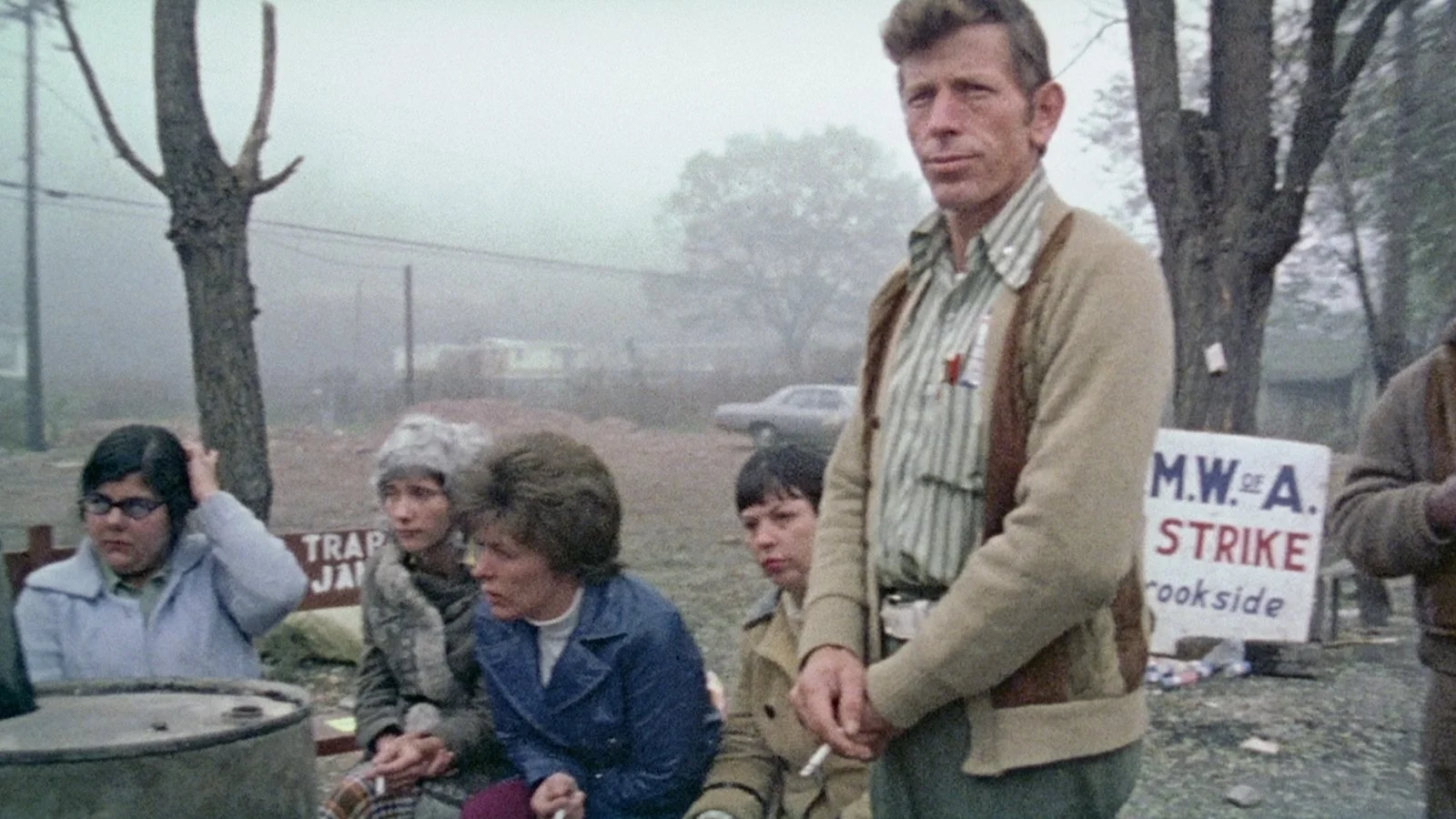
For one, music plays a huge part in the film, which is peppered throughout with protest songs about the strike and the union, some contemporary, others older. While these provide a musical soundtrack that helps move the film along narratively, their inclusion also adds an emotional dimension to the miners’ struggle that spoken words or written text can’t evoke. The importance of song as a form of resistance has been explored elsewhere by Ken Loach in his 1984 film Which Side Are You On?, whose title borrows from the protest song by Florence Reece, who we see in Harlan County performing her song in front of a hall full of striking miners. Similarly, Kopple and her all-female team of editors make wonderful use of archival footage throughout, linking the strikes of the ’70s with previous strikes and confrontations — most notably the events of Bloody Harlan, a near-decade (1931-1939) of violent and often deadly clashes between striking miners and company-employed strikebreakers and guns-for-hire.
Harlan County, USA is perhaps most impressive for the fact that it was undertaken by a largely female crew, and for the emphasis it places on gender and the role of women in the strikes. In an era very much dominated by male filmmakers, a female gaze that gave attention to the active role of women in labour conflicts was something that had rarely been seen before, at least in the US (though 1976 also saw the release of the documentary Union Maids, directed by Julia Reichert alongside Jim Klein and Miles Mogulescu). In Kopple’s film, however, the women often claim centre stage. It is the wives of the striking miners who seem to be raising the most hell, frequently seen brandishing sticks and clubs and taunting the scabs with jeers. Through the active participation and leadership of women, the striking miners’ side is presented as a force for progressive, inclusive politics. By contrast, the mining company and the strikebreakers are shown to be regressive, conservative, patriarchal and racist.
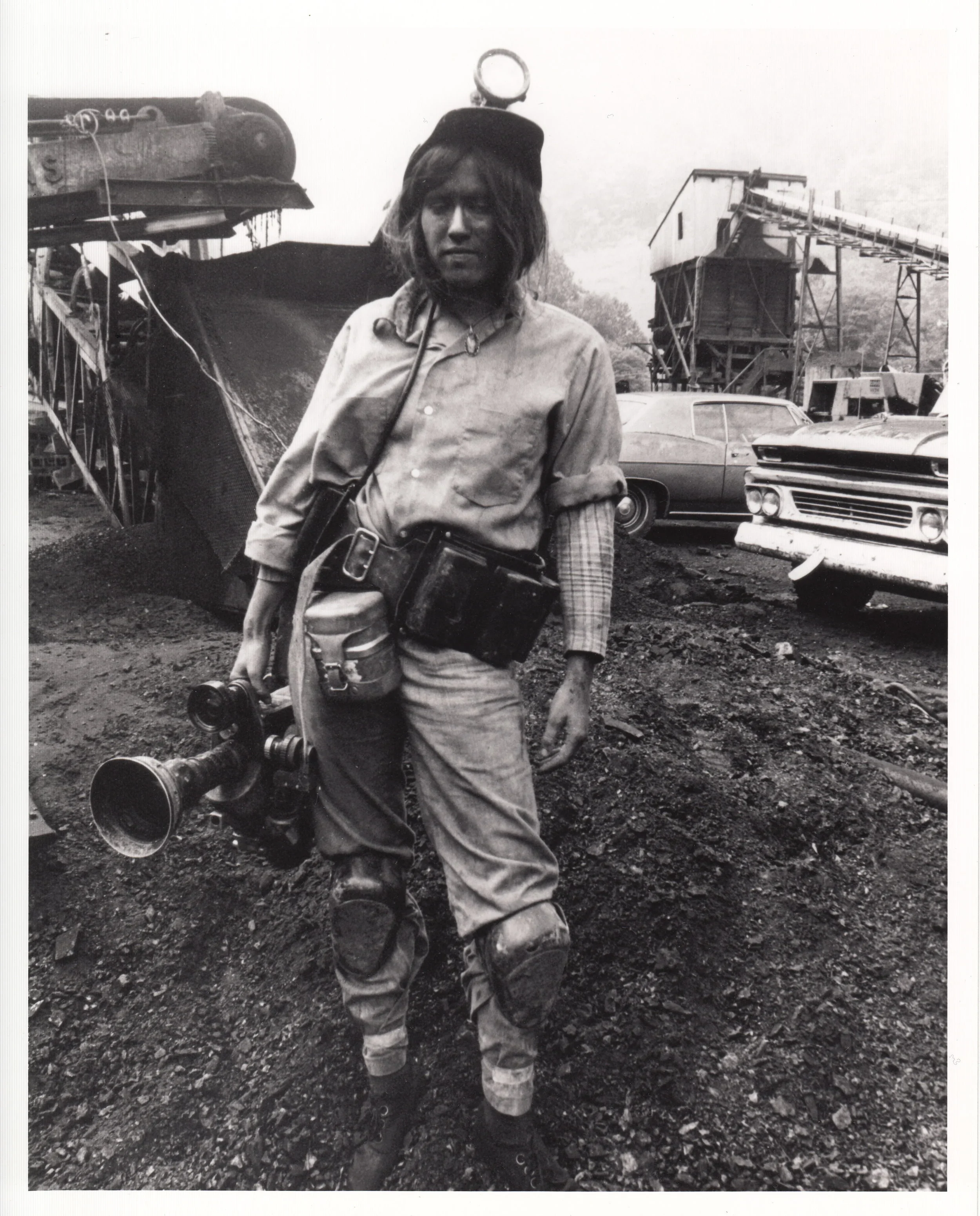
Barbara Kopple during the making of Harlan County, USA
This apparent bias has led to accusations of one-sidedness from certain critics. But Harlan County, USA was never meant to be a neutral, fly-on-the-wall piece of direct cinema. Rather, it is a work of truly militant filmmaking. Kopple is clear about her allegiances throughout: she is with the striking miners and their community. She joins them on the picket lines, follows them into jail and stands with them when they clash with strikebreakers. On more than one occasion, Kopple’s crew is physically assaulted by armed scabs. In one memorable shot, a scab strides up to the camera and attacks it. The inclusion of this moment is instructive; Kopple puts us right in the centre of the action, as if we ourselves are being attacked alongside the striking miners. Yet, despite having a clear ‘side’, the film does not shy away from showing the internal machinations of the union. Kopple dedicates a significant amount of screen time to portraying the various conflicts, disagreements and dissatisfactions that arise in the course of the strike. It is certainly not a rosy picture, but it is all the more honest for it.
In the 50 years since the film’s release, Harlan County, USA remains a cornerstone in the history of militant feminist documentary filmmaking, with echoes in the works of directors such as Alanis Obomsawin, Nettie Wild, Brett Story and many other politically committed filmmakers. In showcasing the importance of documenting labour movements and struggles as a practical tool for galvanising social solidarity, Kopple’s radical approach has become a template for participatory, socially engaged filmmaking that remains as pertinent today as it was in 1976.
Harlan County, USA was released in 1976 and awarded an Oscar for Best Documentary.
You can watch the film for free on Youtube, here.
In 2026, Barbara Kopple premiered a new documentary, Union Town, following delivery driver unions in their fight for better working conditions at Amazon, UPS, DoorDash, and Grubhub.