
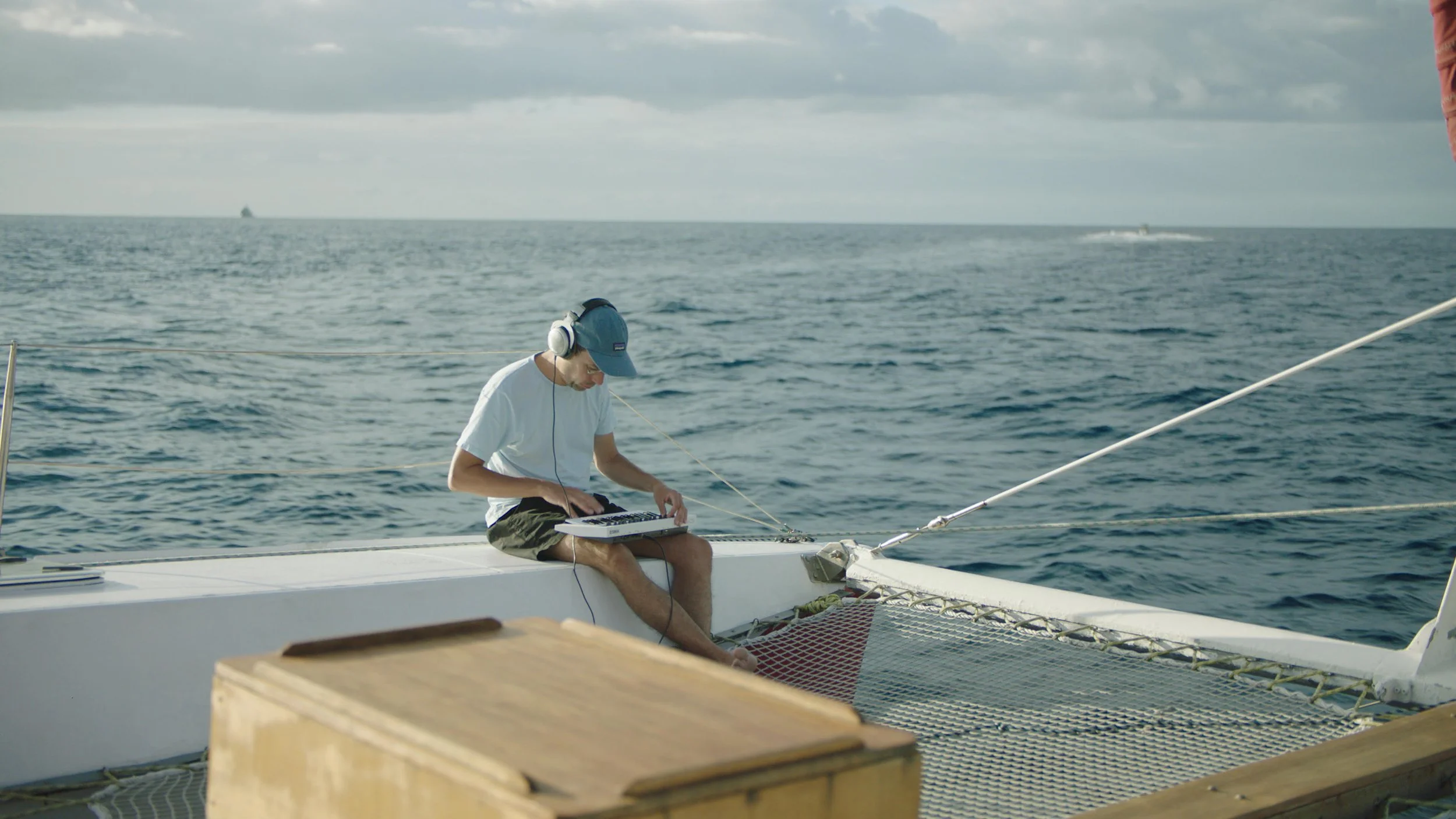
The Musician and the Whale FIPADOC Interview : How To Sing a Duet With a Whale
Opening the 2026 edition of FIPADOC is The Musician and the Whale, a perfectly unique first feature about one artist’s pursuit of a singular experience: to sing a duet with a whale.
“It’s not a wildlife documentary, it’s not the portrait of an artist, it’s a film about another way of being alive.”
Valentin Paoli’s ambition was to capture that split second we’ve all experienced, that existentially leveling moment when you lock eyes with a wild animal. Marseille-born, it was his interest in cetaceans that drew him to the electronic musician and artist Rone.
“When whales are observing you from the sea, they understand that you’re the being, not the boat. I’ve always been fascinated by their methods of communication, the way they form families, communities.”
Bio-acoustics in particular became his focus, which led him to come across a strange phenomenon online: whales and dolphins being attracted to sailing boats by the sound of Rone’s music.
Credit: Valdès films
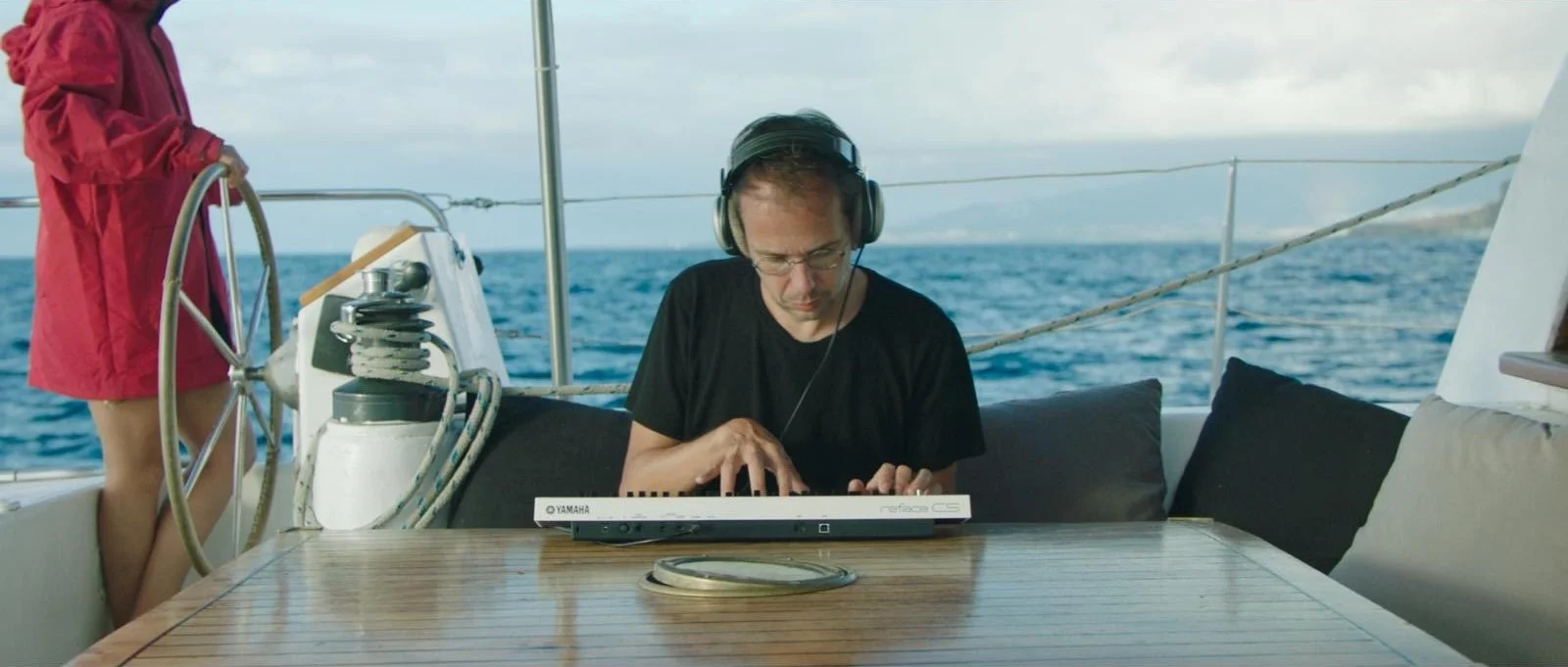
Rone is known to all in France, from avant-garde theatre-going boomers, to club-loving techno heads and avid home listeners. A household name for his iconic electronic albums, but also for his collaborations with the Paris Philharmonic and the La Horde dance group, he shines brilliantly despite himself in this film. Visibly shy and humble at all times, friendly yet clumsy in his desire to reach out to others, he makes a very lovable lead.
“Communicating is hard, and not everyone communicates in the same way. But no matter how you do, if you’re sincere and true to yourself, it’s always worth it. That’s what this film is about.”
In The Musician and the Whale, Rone, or Erwan Castex by his real name, sets out to meet a whale in the wild and attempt a musical dialogue. Accompanied by several (quite perplexed) marine biologists and his musical accomplice Cesar, he travels to Reunion Island and boards a boat for the first time.
Credit: Valdès films
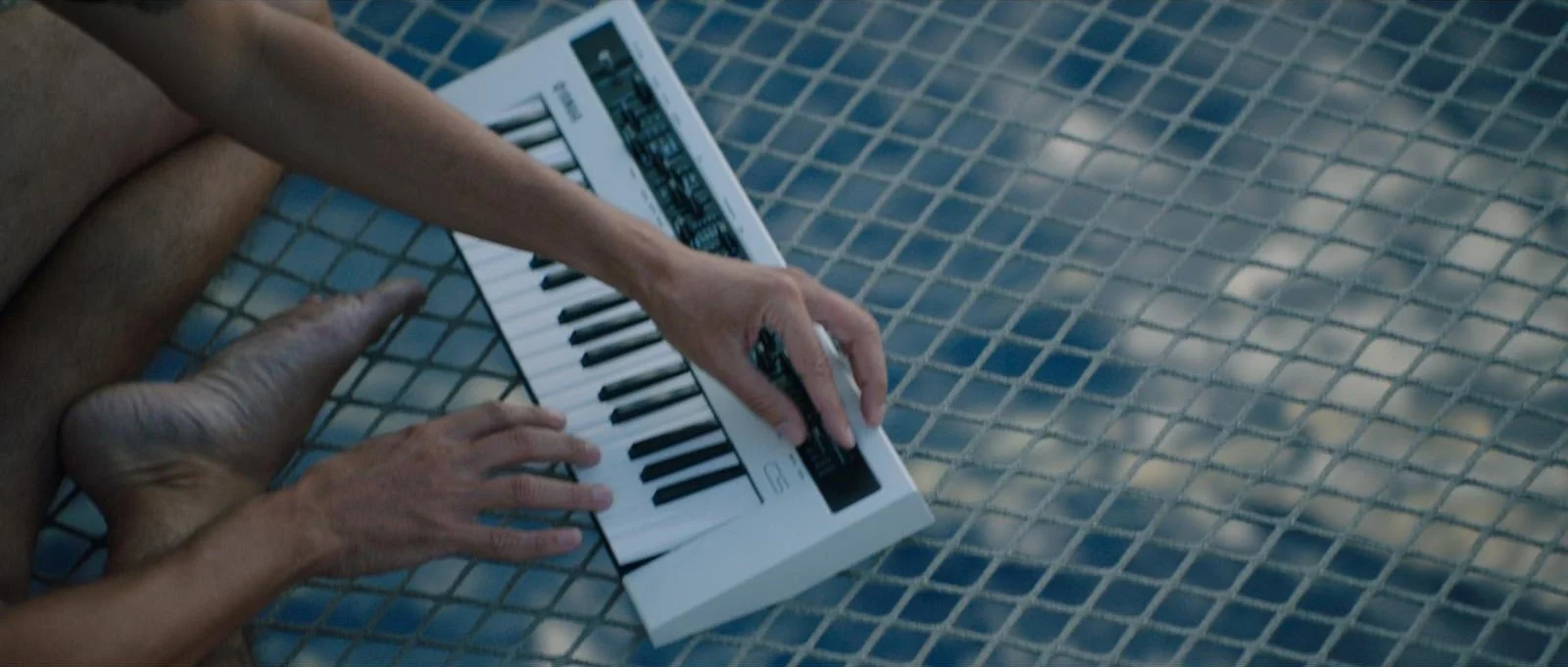
The film is observational, with Rone narrating, and creates an interesting space within which to reflect on music, its ability to create emotion, to communicate feelings to each other - and whether it's possible for us to do so with other animals too. It does this in a smart way, notably by bringing the scientific and artistic communities together. Nothing sums this up better than when marine biologist Olivier is brought to tears by a Yael Naim song that Rone chooses to play him as an ode to the sea.
“When you’re making a wildlife film, you’re actually always talking about something else. Sometimes that’s established at the start, but sometimes you find that out along the way.”
In our interview, Paoli spoke of his and Rone’s struggles with communication, the former doing so with the pictures and the latter with sound, this is what he believes the film is truly about.
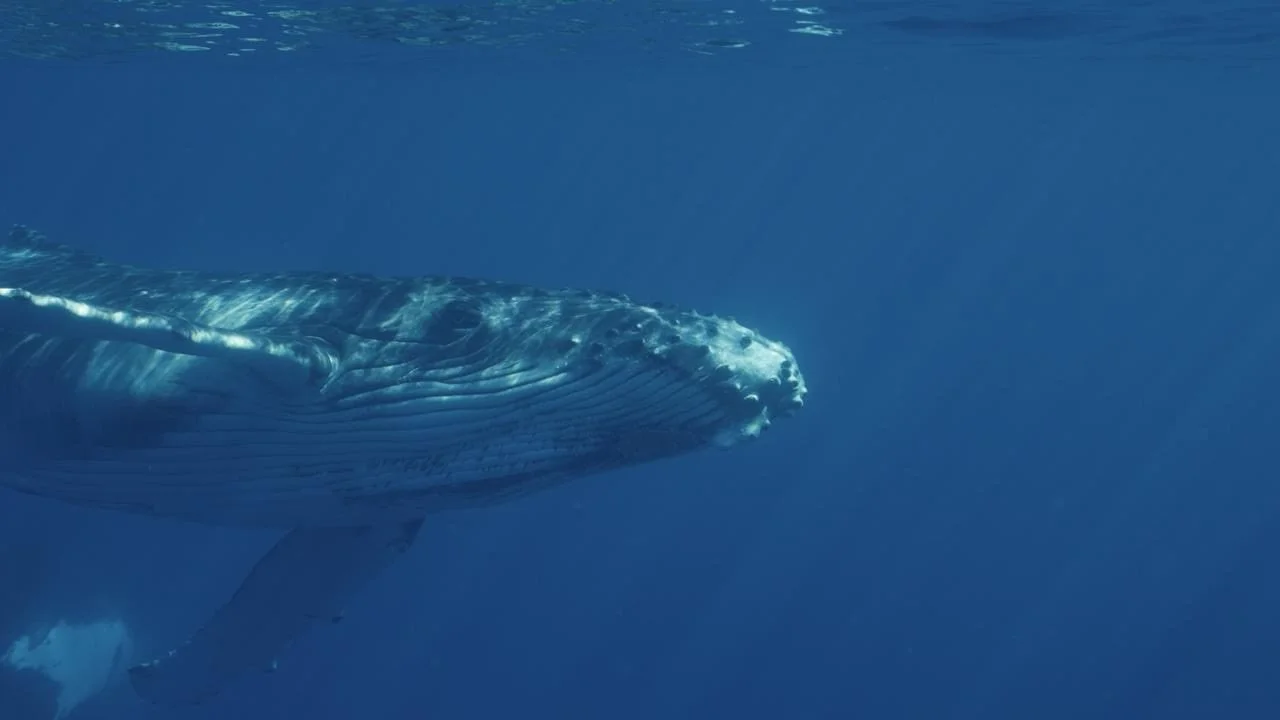
“The experiment only worked when he let his heart do the talking. And then it was just like in the film: there were four, five whales around us, we could feel the vibrations, they were singing!”
Credit: Valdès films
Making its World premiere at tonight’s opening of FIPADOC in Biarritz, this is definitely a film to be seen and enjoyed in the cinema. Complementing the stunning marine cinematography is an impressive 360 Dolby Atmos soundscape that merges Rone’s evocative electronica with otherworldly whale - and human - harmonies.
The film also has a theatre release planned in France, which will be sure to draw fans of whales and Rone alike !
The Musician and the Whale will be screening for the opening night of FIPADOC 2026, on Friday 23/01 at Gare du Midi at 20:00