
7 iconic non-fiction films to understand Brazil’s election
Brazilians vote on Sunday 4th October for a president, governors, senators, as well as federal and state deputies. Polls suggest a run-off on 25th October between Lula and Flávio Bolsonaro, standing in for his ineligible father who was sentenced in 2025 to 27 years in prison for plotting to overturn the last election. Much of the coverage will offer only a cursory reflection of what is at stake. Charting 50 years of a rich non-fiction filmmaking history, the 7 following films are key to understanding the underlying forces at play in this election.
They follow a tomato to a rubbish tip and a strike into a football stadium, and sit with a favela's saints and spirits. Most are about the society that institutions govern: who gets to eat, who gets to pray, and who remembers the dictatorship when others would rather move on. Between them they run from the aftermath of the 1964 military coup to the storming of Brasília in 2023. Together they show a country whose disagreements are older than this election, and will outlive the 26th of October, whoever wins.
Here are 7 iconic documentaries to watch before Brazil votes on the 4th of October:
Ilha das Flores (1989) by Jorge Furtado
Theme: Hunger
A tomato is grown, sold, found unfit for Dona Anete's sauce and thrown away. Jorge Furtado follows it to a rubbish tip on an island in Porto Alegre, where pigs are fed first before women and children are let into a pen, a few at a time, to enjoy whatever slim pickings the pig’s owners have chosen to leave behind. It won the Silver Bear at Berlinale in 1990, and it’s been shown in classrooms throughout the country ever since.
Furtado's point is that hunger is not a misfortune but a political choice: who and what gets to eat first is determined by wealth.
You can watch the film for free below.
Garapa (2009) by José Padilha
Theme: Hunger, again
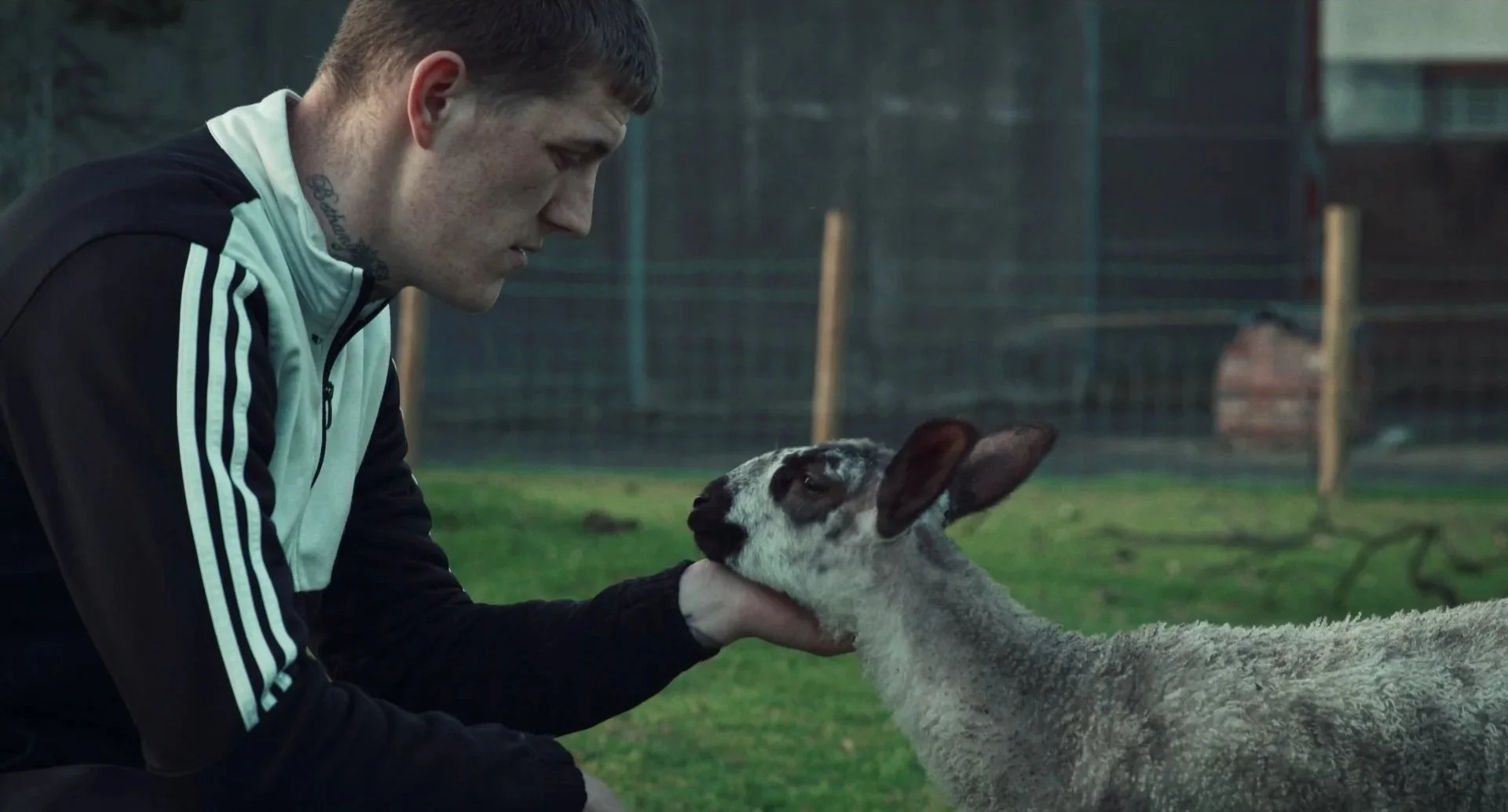
20 years after Furtado's tomato, José Padilha found the same hunger in Ceará, in Brazil's north-east. Garapa is sugar stirred into water, and in the three families he filmed it is what children are given when there’s nothing else to eat. Padilha, already known for Bus 174 and Elite Squad, spent a month with them and shot in grainy black and white, with no narration, no music and no interviews. "I'm asking people to see a film they won't enjoy," he said. It is the most challenging film on this list to sit through, and it belongs beside Ilha das Flores for that reason. Furtado argues about hunger with jokes and diagrams. Padilha explains nothing and stays in the room.
Brazil succeeded in leaving the UN Hunger Map (a real-time food-security tracking tool) once before in 2014, and the families in Garapa were the people that effort was for. On his first day in office in January 2019, Bolsonaro abolished Consea, the national council that steers the country's anti-hunger policy. By 2022, after the pandemic, the research network Rede PENSSAN counted 33.1 million Brazilians in severe food insecurity, the same hunger this film records. Lula re-created the council in his first weeks back and relaunched Bolsa Família. In 2023 the national statistics office counted 8.7 million in severe food insecurity, and in July 2025 the UN reported that Brazil had left its Hunger Map again. Hunger in Brazil has fallen and risen according to who’s in power, and that record is on the ballot.
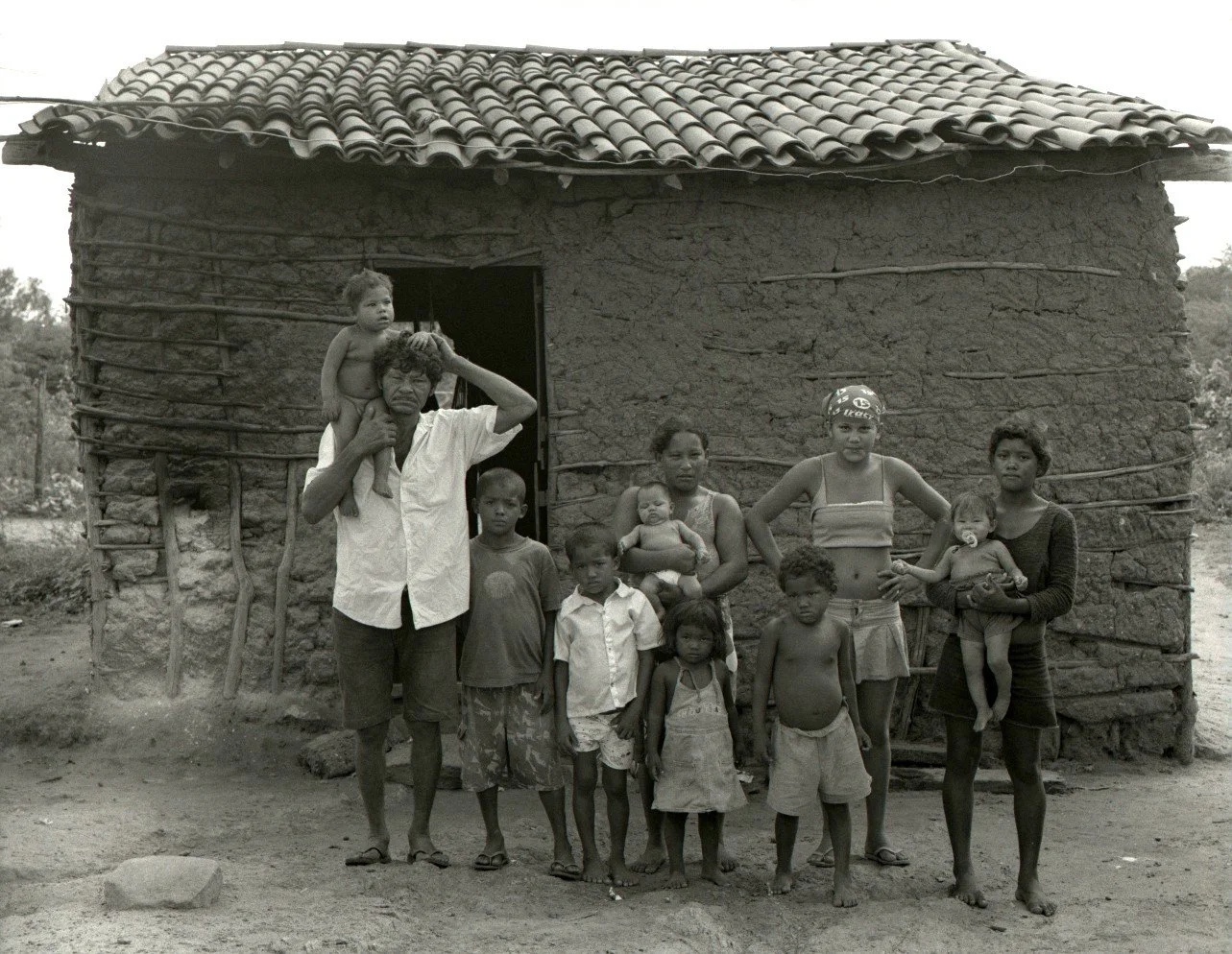
Garapa by José Padilha
ABC da Greve (1979–90) by Leon Hirszman
Theme: Decent work
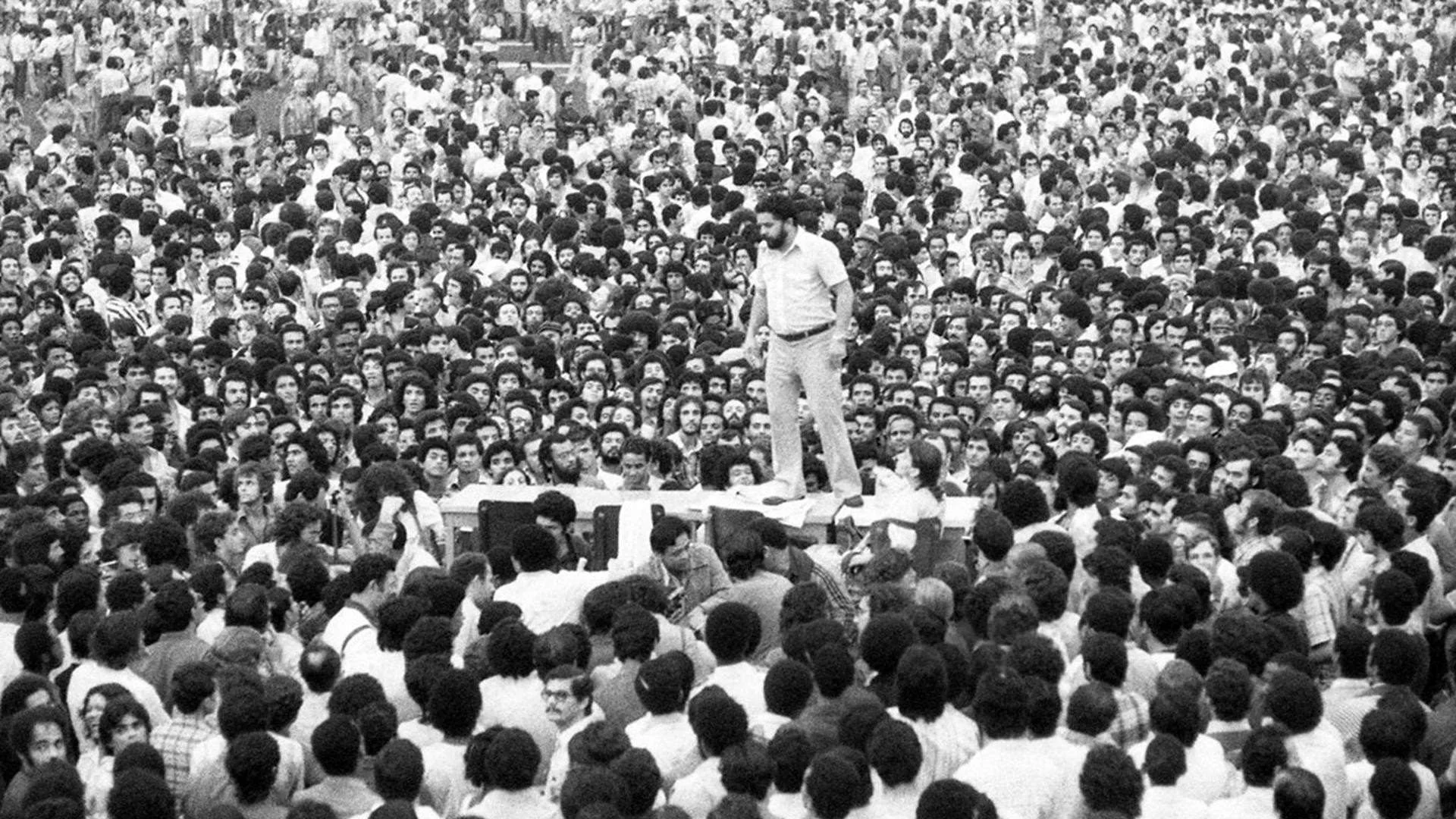
In March 1979, with the dictatorship still in charge, around 150,000 metalworkers walked out across the ABC, São Paulo's industrial belt. Leon Hirszman filmed the strike as it happened, in the streets, in church and at the assemblies that packed a football stadium in São Bernardo do Campo. The union president addressing the crowds was a young Lula, aged 33. Hirszman shot on borrowed and expired stock, and died in 1987 before finishing the film. His cameraman Adrian Cooper completed it from his notes, and it was first shown in 1991.
The strikers in that stadium wanted a fairer wage for their labour, and one of the loudest demands of this election is about work too: an end to the six-day week with a single day off that millions of Brazilians still work. Lula's government made it a priority, and in May the Chamber of Deputies passed a constitutional amendment for a 40-hour week over five days, with two paid days off, by 472 votes to 22. In September, opposition senators, coordinated by Flávio Bolsonaro among others, stayed away from the Senate floor so that it could not be voted on before the election. 47 years after his stadium speech, the union president is still asking working Brazilians to judge him on their pay packet.
You can watch the film for free below.
Santo Forte (1999) by Eduardo Coutinho
Theme: Tolerance
While Pope John Paul II said mass in Rio in October 1997, Eduardo Coutinho took his crew into a favela in the city's Zona Sul to ask people about saints, spirits and churches. The people he met moved between Catholicism, Spiritism, the evangelical churches and Umbanda, an Afro-Brazilian spiritual tradition. Many call themselves Catholic and keep the spirits of Umbanda at home, and Coutinho lets them express themselves without judgement. The film is nearly all talk, recorded in the subjects’ own homes.
What Coutinho recorded is a religious landscape before evangelical Christianity and the electoral weight it carries today. Evangelicals made up around 9% of Brazilians in 1991 and 26.9% in the 2022 census. Their growth has been so rapid that they’re projected to overtake Catholics as Brazil's largest religious group by 2030. The film also predates today's reports of intolerance against Afro-Brazilian traditions: complaints to the national human-rights hotline rose by two-thirds in 2024, with Umbanda the most targeted. Brazil marks a national day against religious intolerance every 21 January after Lula signed it into law in 2007, in memory of Mãe Gilda, a Candomblé priestess who died in 2000 after her terreiro was attacked.
You can watch the film for free below (in Portuguese only).
Jango (1984) by Silvio Tendler
Theme: Memory
Where Hirszman filmed the dictatorship being defied, Silvio Tendler went back to how it began. By dissecting the role of the domestic elite in the 1964 coup, Jango serves as a cautionary tale for Latin America about the preservation of sovereignty, and gives a humanising account of João Goulart, a popular president whose progressive agenda, from agrarian reform to giving illiterate citizens the vote, sought a fairer Brazil. Tendler released it in 1984, 20 years after the military overthrew him. The censors at first barred it from the Gramado festival, but it went on to win three prizes there and to be seen by more than half a million Brazilians in cinemas, becoming a cinematic banner for the movement for democracy that was gathering pace as the dictatorship entered its death throes.
Nobody was ever tried for the coup: an amnesty law passed in 1979 covered the regime's agents and that history hangs over this election. In 2025 the Supreme Court convicted Bolsonaro and senior officers of plotting to keep him in power, and the fear is that the country could forgive a coup a second time. Bolsonaro's supporters call the verdict persecution, while his opponents call it the reckoning 1964 never had.
You can watch the film for free below.
Amigo Secreto (2022) by Maria Augusta Ramos
Theme: Justice and democracy
In 2019 The Intercept Brasil published private messages between Sergio Moro and the prosecutors of Lava Jato ("Car Wash"), the biggest corruption case in Brazil's history. Moro was the judge who convicted Lula, and he went on to become Bolsonaro's justice minister. Amigo Secreto follows four reporters as they work through the leaks, at their desks and at home. A gripping newsroom film.
The messages showed the judge coaching the prosecution. The Supreme Court later annulled Lula's convictions and ruled Moro biased, too late to give back the 580 days Lula spent in prison or the 2018 election he was kept out of. Moro is on Sunday's ballot, standing for governor of Paraná for Bolsonaro's party and promising task forces modelled on Lava Jato.
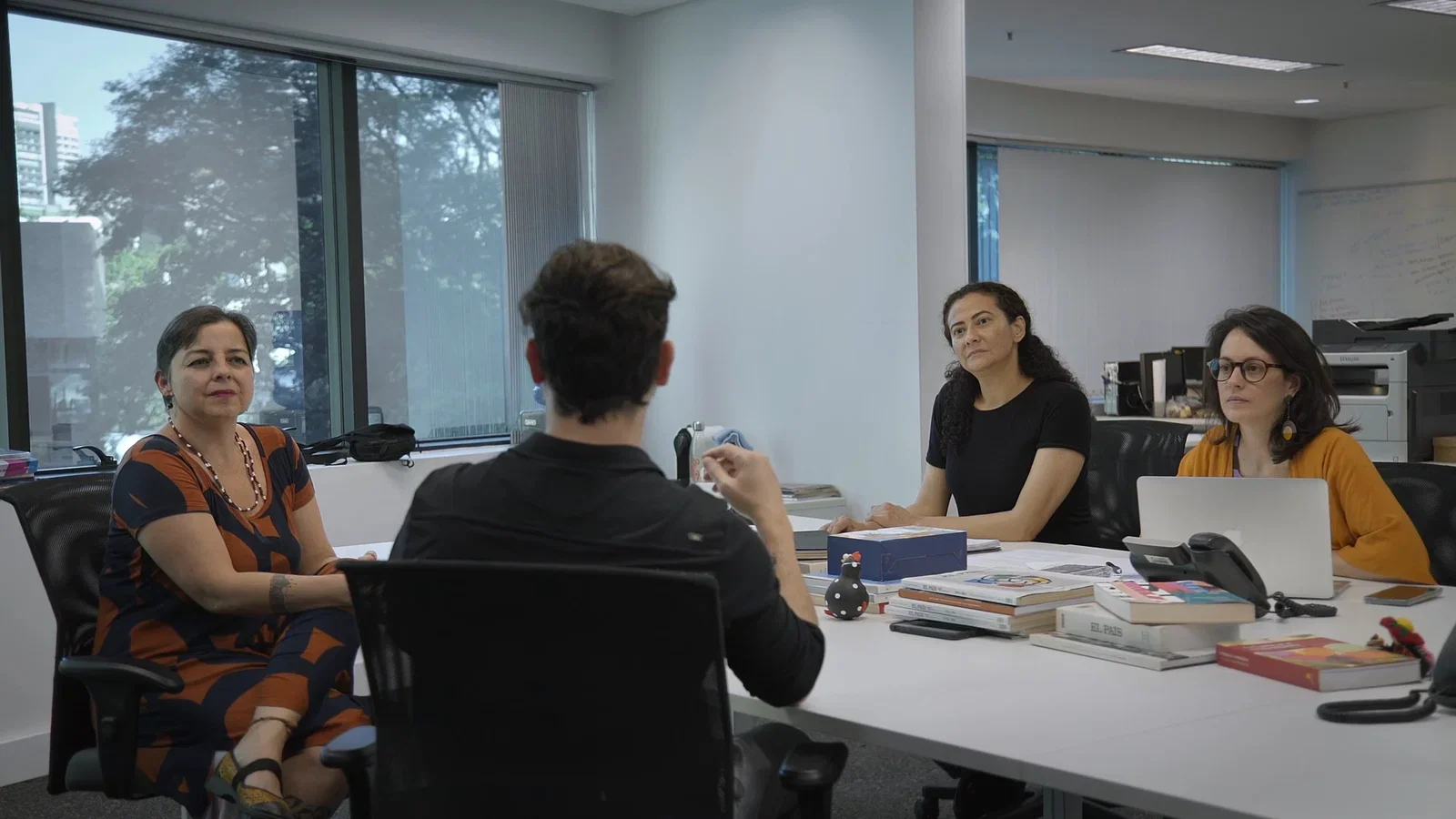
Amigo Secreto by Maria Augusta Ramos
At this Moment, in the Nation’s Sky (2023) by Sandra Kogut
Theme: The political divide
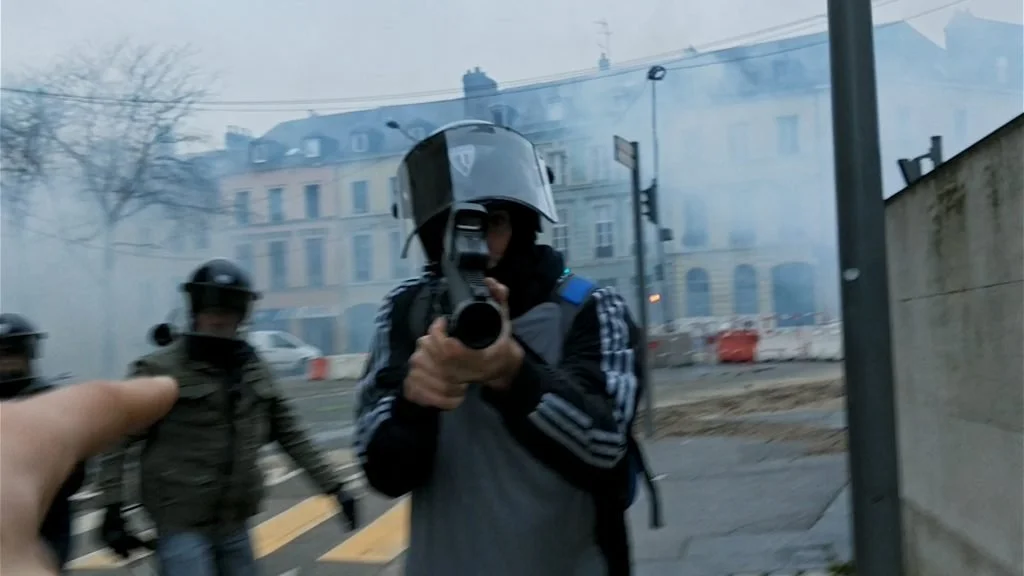
The last film on this list is the only one made during a Brazilian election. Its title is a line from the national anthem: at this moment, in the nation's sky. Sandra Kogut followed nine Brazilians through the 2022 campaign, from electoral-court staff preparing a polling station, to a towel seller to Ferreirinha, an evangelical lorry driver from Paraná who considered leaving the country if Lula won. Kogut's own voice is barely heard, and the edit, which won at the Festival de Brasília, does the rest. By the end Ferreirinha cut off contact with her: "It's like we're living in two different Brazils."
When Kogut spoke to Doc Weekly at IDFA in 2024, she said she wanted to show "some concrete aspects of democracy and not just the concept". The film ends on the 8th January 2023, with crowds in Brasília calling for military intervention, and that’s what makes it the one to watch the night before this election. In 2022, the democracy Kogut filmed held: the polling-station staff counted, the electoral court declared, and those who stormed Brasília were tried. Ferreirinha's two Brazils both vote on Sunday, and one candidate has promised to pardon those convicted of trying to overturn the last count.
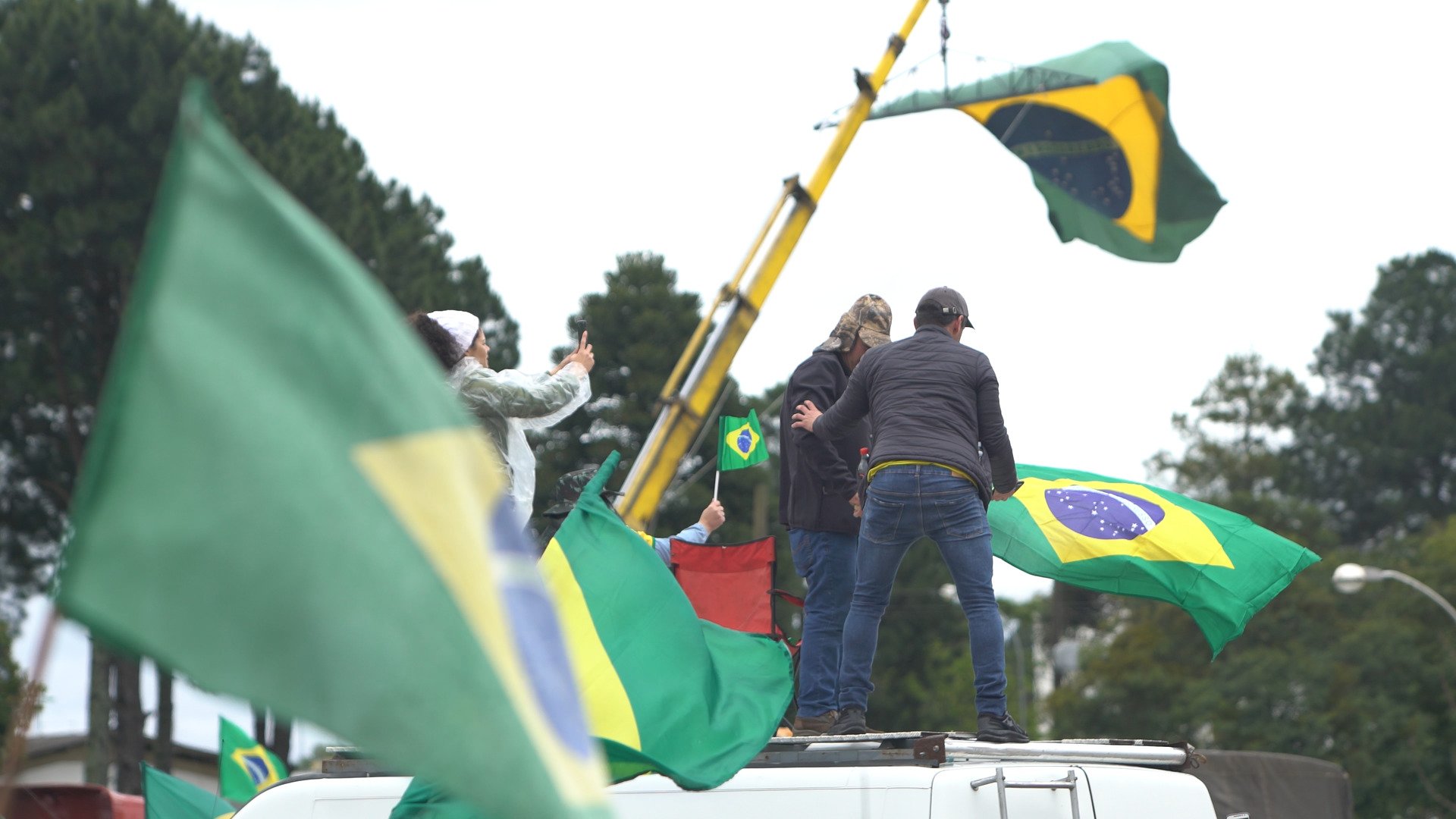
At this Moment, in the Nation’s Sky by Sandra Kogut
Follow us on Instagram for updates and get in touch if you’d like to meet up or collaborate !