
Magilligan Interview : Breaking Generational Incarceration With a Flock of Sheep
“In prison, a lot of people want films to be made about them. Big egos, big personalities… but Ryan just wasn't like that. That’s attractive to me as a filmmaker. If somebody wants a film made about them, that’s suspicious.”
A year after premiering his short film No Mean City in Nyon, Ross McClean returns to the 2026 edition of Visions du Réel for the World premiere of his first feature, Magilligan, selected in the International feature film competition. Five years in the making, Magilligan meticulously composes time around its character to reveal not just their story, but the part that class, addiction and the carceral system itself play in unraveling it. We interviewed him after the film’s premiere.
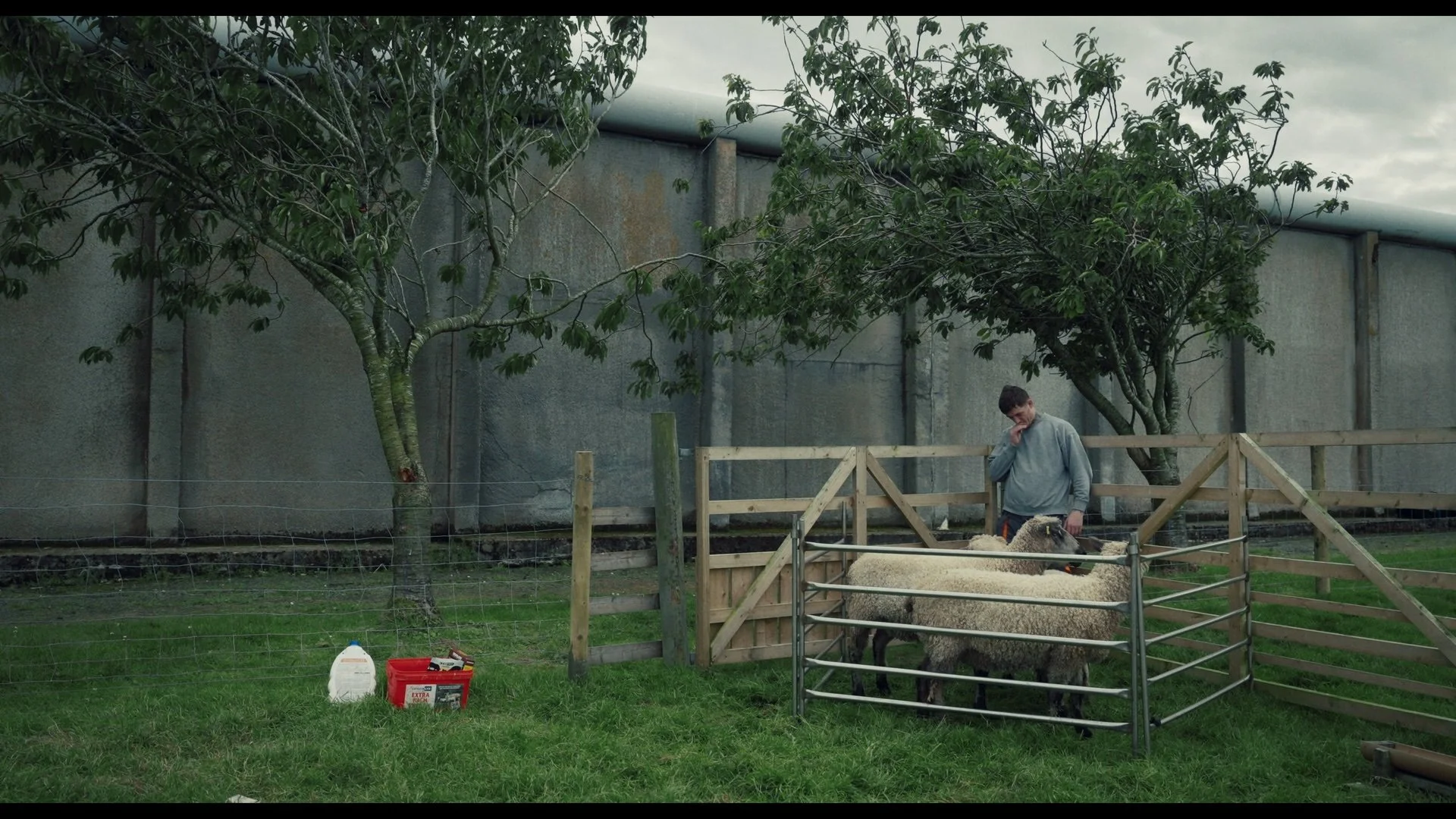
McClean was first granted access to HMP Magilligan in Northern Ireland as part of a project with a theatre group.
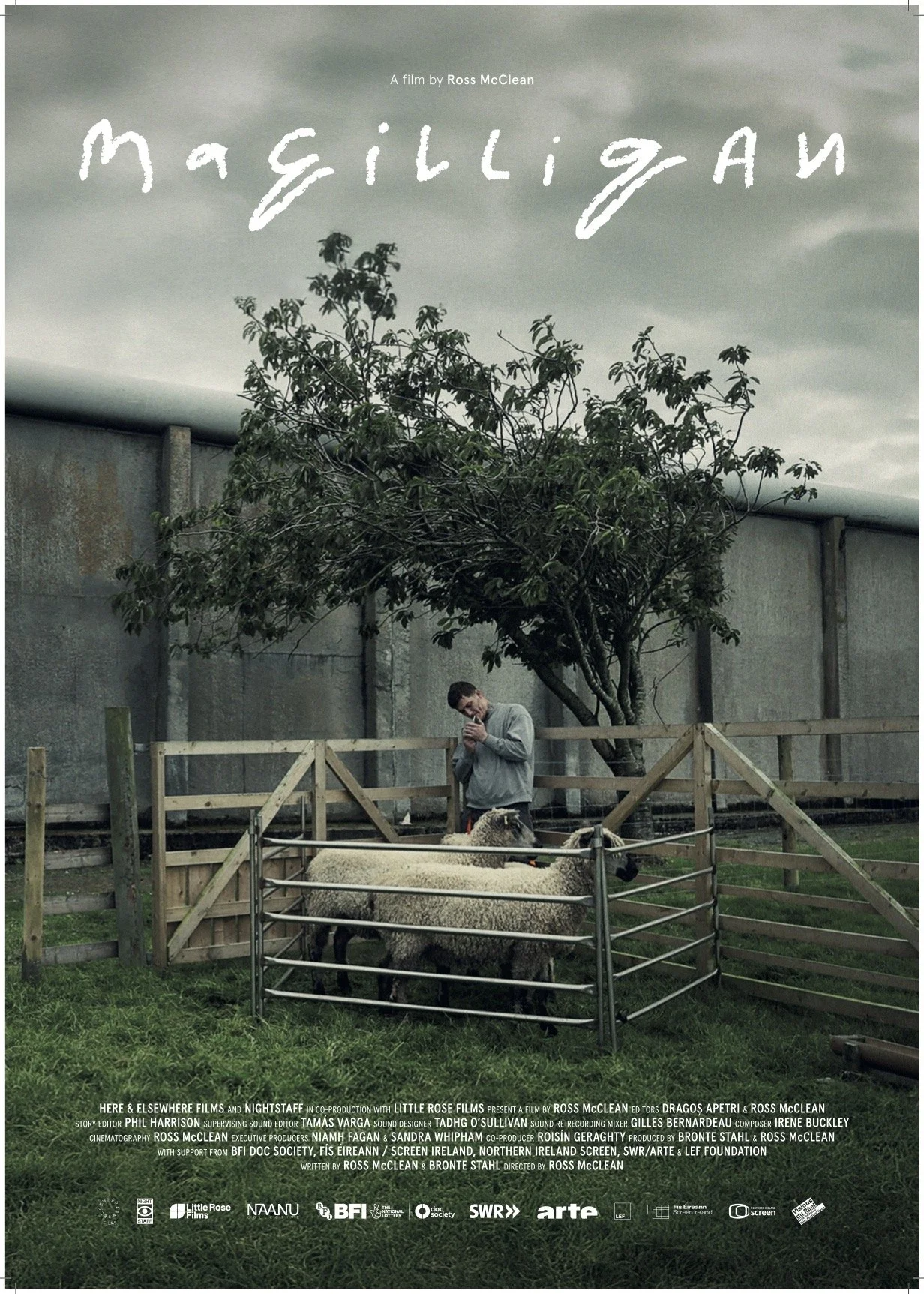
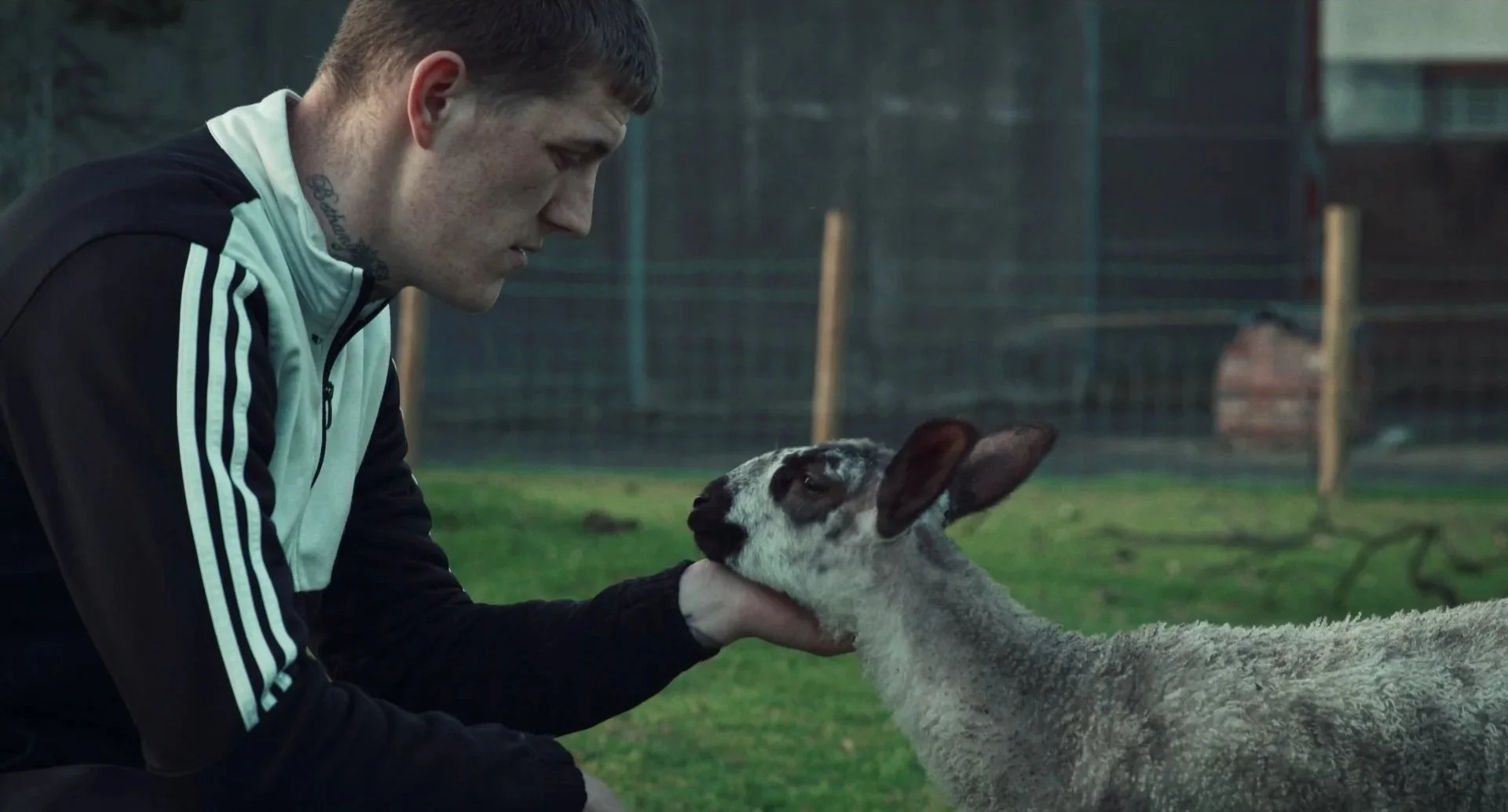
"Somebody said, ‘have you met the shepherd?’ This sort of ridiculous line. And there was Ryan, six foot two, tattoo-covered neck, but working with these animals in such a caring manner.”
It’s a striking contrast, embodied in the film’s tight opening shots of Ryan wrestling with the sheep, administering antibiotics. Images collide of rural and urban, agrarian and blue-collar, wool and tattoo.
“He was talking about owning a sheep flock and working on a sheep farm. I thought, can this guy really do it ? That was the catalyst to keep going and see where this journey would go."
McClean amusingly refers to this as the film’s sheep-thread : Ryan’s hope, and ours, of redemption. “The sheep stand for another possibility, a shift.” Always in the back of the viewers’ conscience, we’re provided with endearing reminders throughout the film of his remarkable way with his animals and the peace they evidently bring him, but slowly the film’s real subject unfolds.
“As I got to know Ryan's life inside and outside prison, his past, it became about this idea of determinism. The question of whether the path Ryan has walked was laid out before he was even born. Most males in his family from his father’s side have been in prison. He took his first steps inside a prison when he was visiting his grandfather. Literally his first steps.”
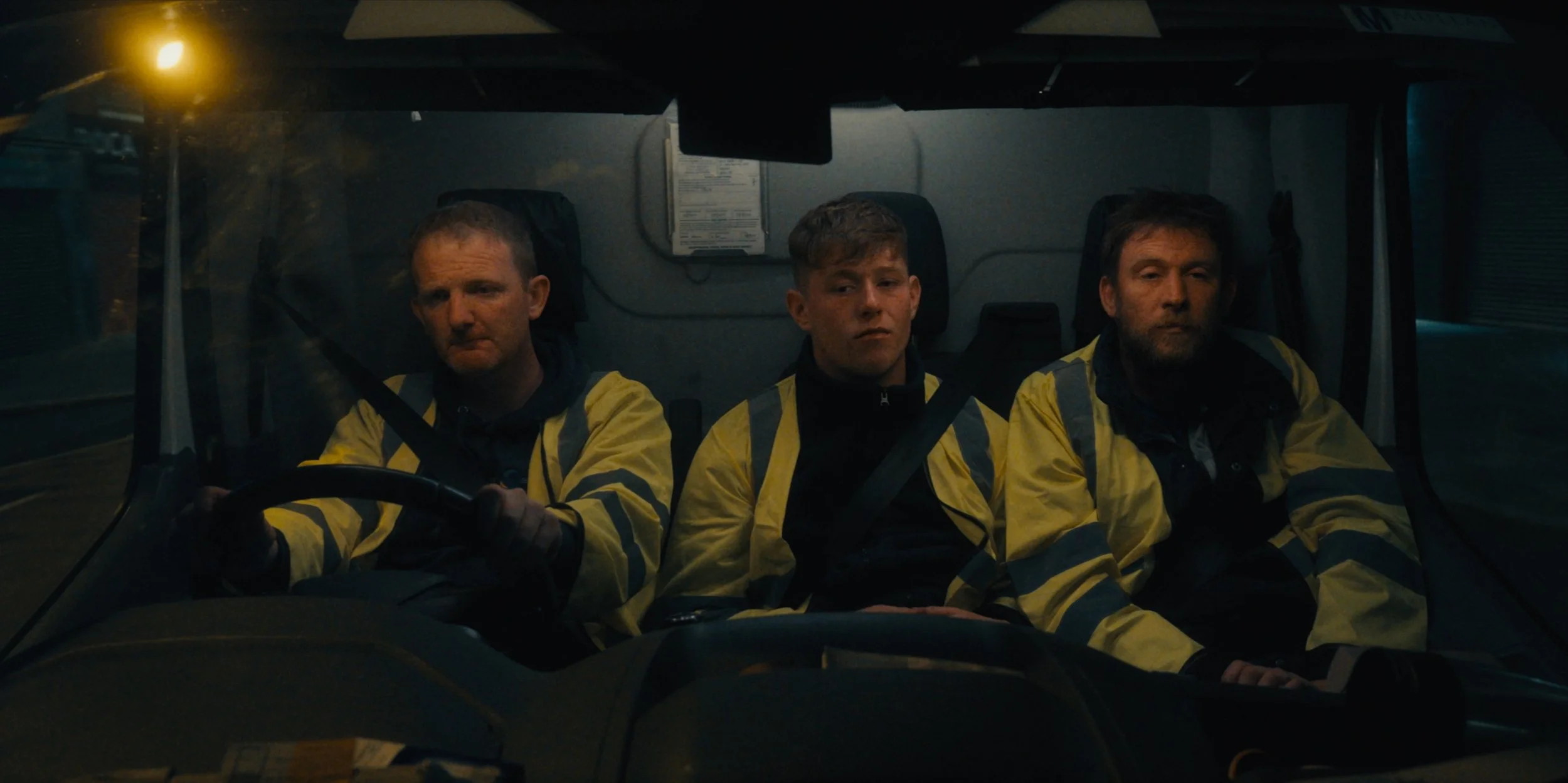
The deeper we progress into Magilligan, the more we understand this, not just by discovering Ryan’s family history - he was told the story about his first steps in prison by his mother - but by being sucked into the film’s cyclical nature itself. At times we’re inside prison, next we’re outside with Ryan on a controlled release. The subject of substance abuse also comes up, with Ryan seemingly turning a page before relapsing again. In a chaotic night scene of which we’re not given any further context, Ryan jumps into McClean’s car, who worriedly asks if the paramilitary boys chasing him might take note of his registration plate.
Being both predictable (cyclical) yet unpredictable (non-chronological) gives Magilligan a lightness and agility often missing from conventional biographies and stories of incarceration.
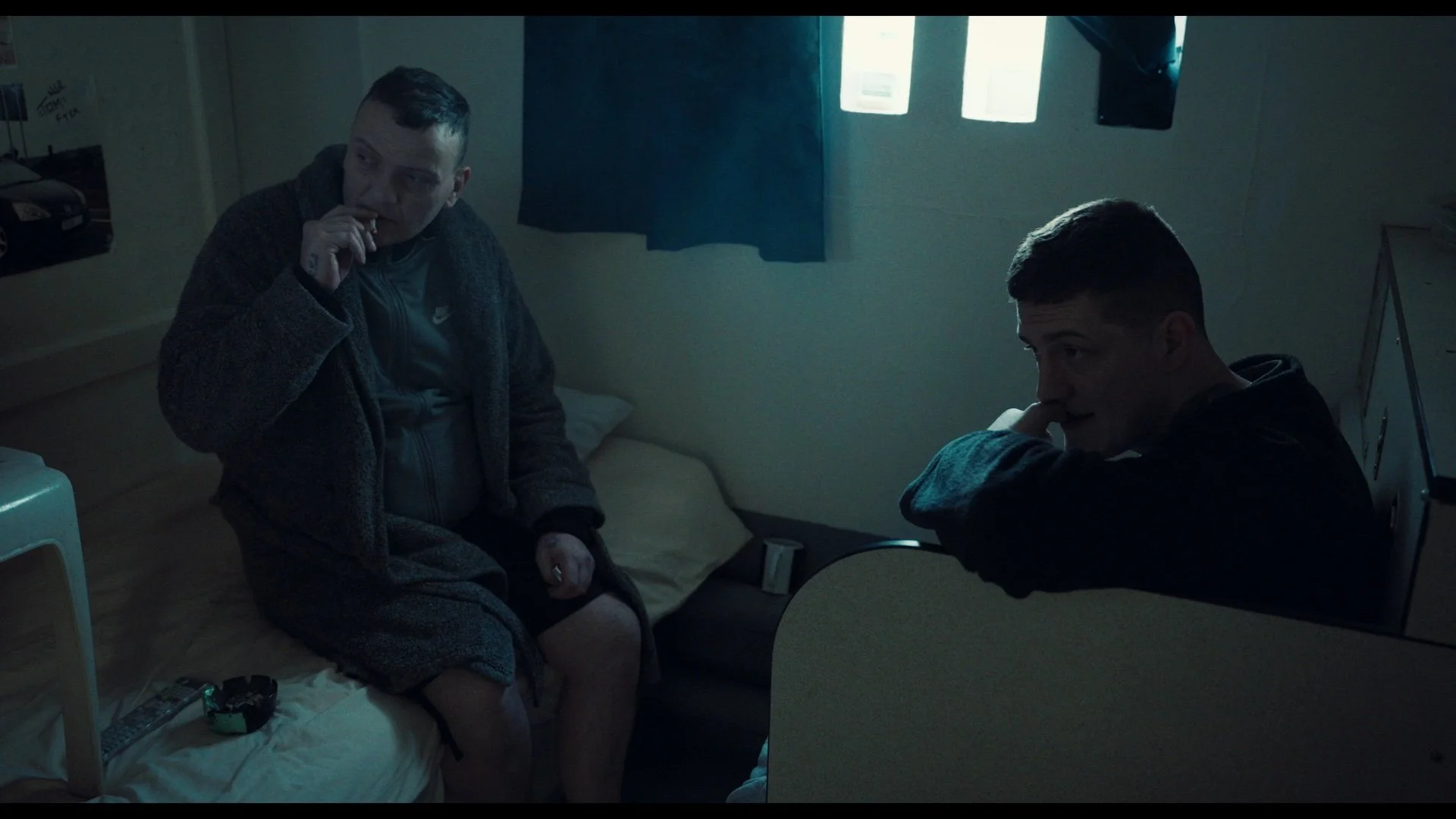
“For a long time we thought we had to tell the film in a chronological manner and got ourselves into all sorts of knots of exposition, explaining exactly where we are, when this was, where we’re going next… It just was an absolute burden.
The way out of that almost came accidentally when I found the opening scene. I asked myself what if we enter the film this way and we play with time and it becomes less about the chronology of events and more inspired by the cyclical nature of this guy who says : there’s no difference in being inside or outside, it’s all the fucking same. So it’s more about his mental state, how we construct it and play with time.
That was really liberating in the edit. It was a real breakthrough in terms of how to tell this story.”
McClean also appears on camera himself for the first time in his work, setting up shots with Ryan or exchanging in conversation with other characters.
“It was tough, I like being behind the camera, in control. It was probably a choice of my editor, to include me. It served as a way to understand the dynamic and the trust quite early in the film.
Some people have said that it’s like watching a fiction, which is interesting, but I think it would have been hard to sustain that feeling, or that mode, without questions about access or trust getting in the way. Like how is this guy getting away with having the camera five inches from his head and he’s not looking into the camera ?”
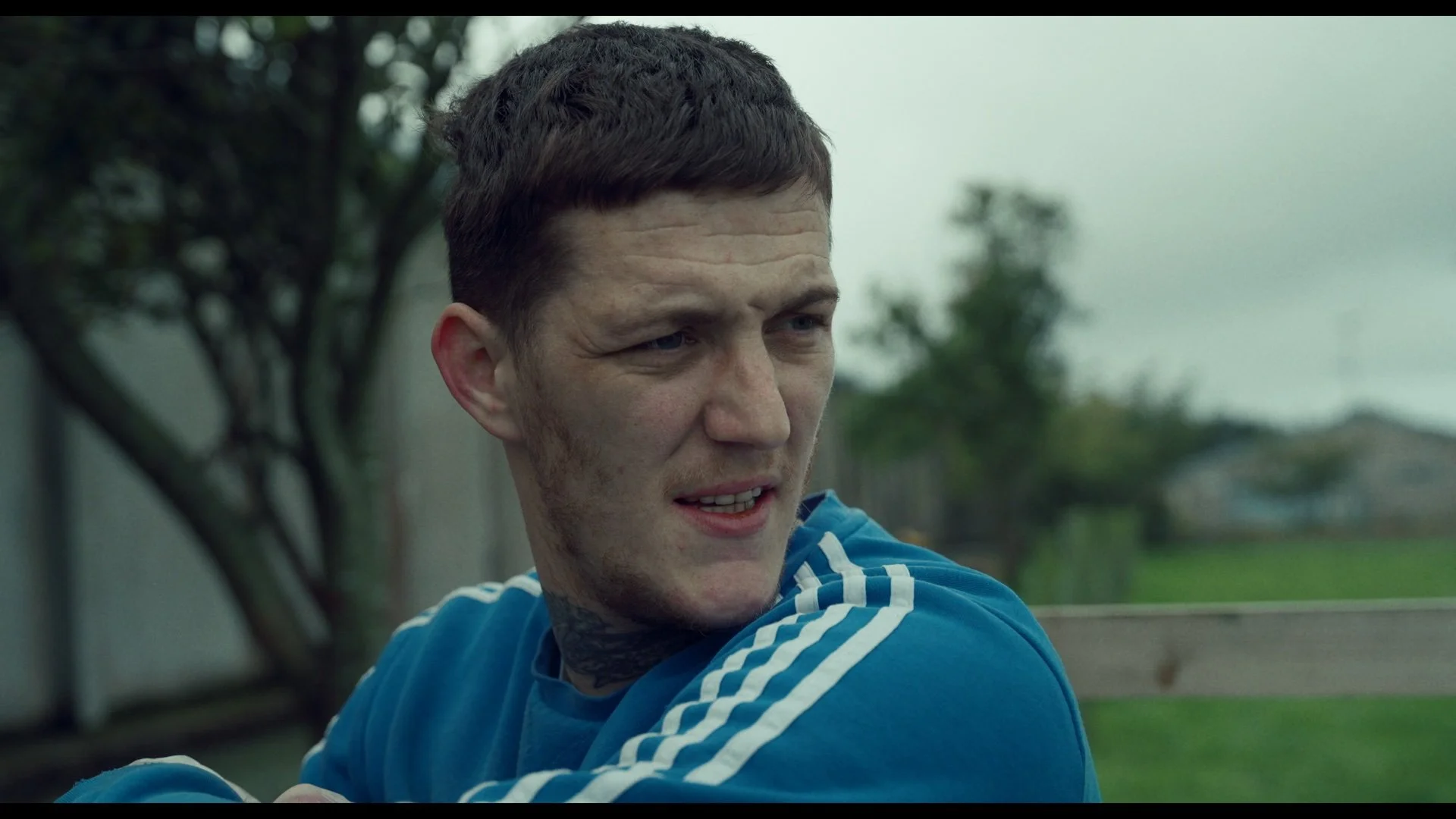
The strength of the bond and trust between the director and his subject are evident in the intimacy of some of the conversations and fights captured between Ryan and his mother, but also in the stories Ryan tells him of his father, a key part of the cyclical trap of violence he finds himself in.
“Making this film I thought this guy’s on a mental journey, I just need to be present and point that camera. It was a little out of my comfort zone. Will I do it again ? Probably not. I don’t intend to take five years to make a film again. This is my old way of making films, I’m already in a new headspace.”
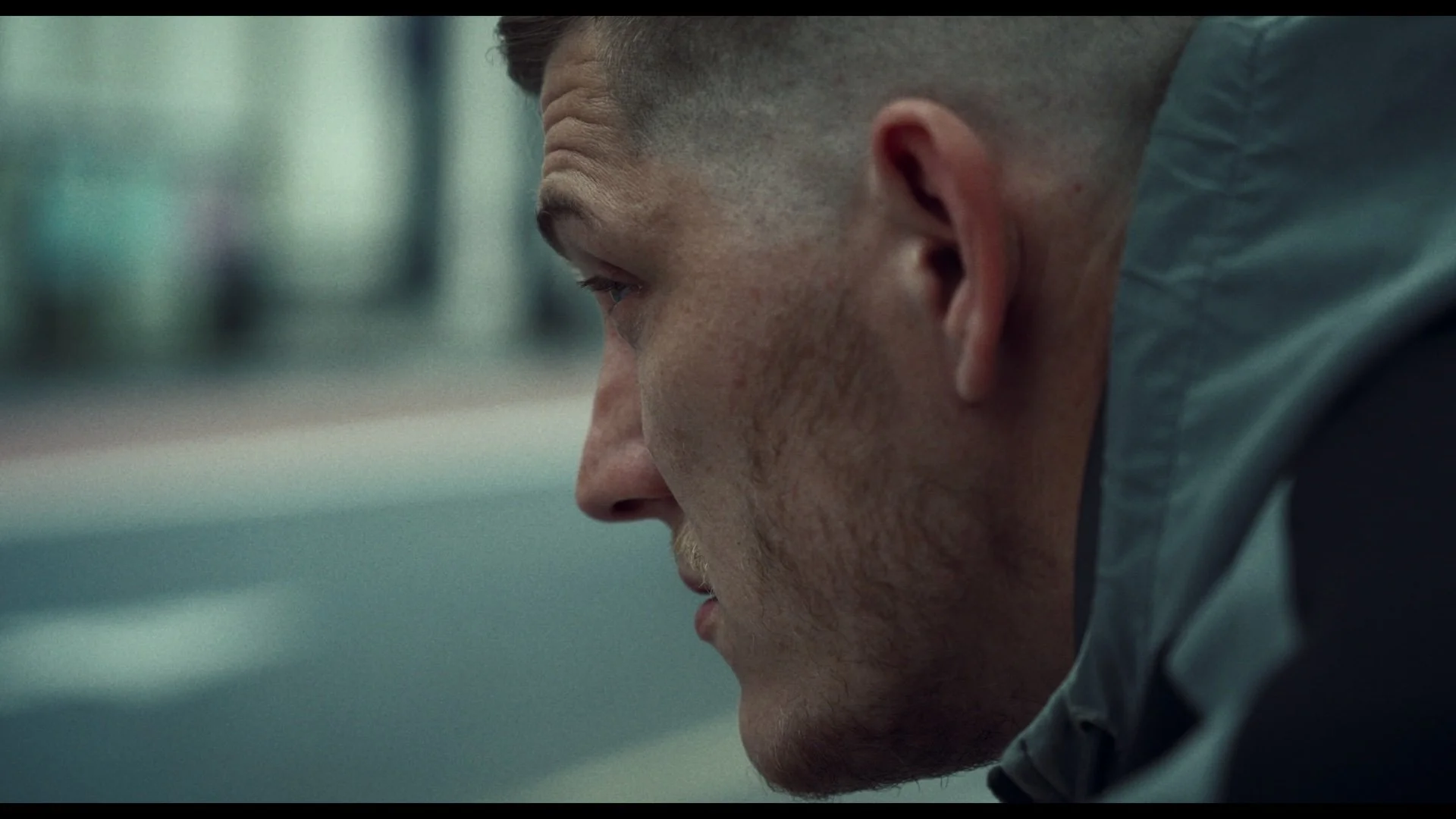
Magilligan culminates in some particularly deft moments of editing, showing us new faces and bodies - those of passersby - that contrast with Ryan’s lean, harsh and muscular build. Relaxed men, being and moving through Belfast with ease and comfort. Will he ever be one of them ? Will he ever be able to rupture the cycles of violence and addiction in which his family, the Troubles and his socio-economic condition have him trapped ? That's when we pick up the sheep-thread again.
“I like it when a film ends and you can’t quite put your finger on the feeling that it creates.”
Magilligan is the latest film to come out of a flourishing community of non-fiction artists in Belfast composed of filmmakers such as Myrid Carten (A Want in Her), Alessandra Celesia (The Flats) and Phil Harrison (Story editor for Magilligan). Collaboratively, the scene is producing some of Europe’s most exciting documentary work and pushing the boundaries of Northern-Irish cinema.
Speaking of the future, Ross McClean describes his next film as a hybrid road movie taking place in the Shankill, a “colourful and complex” area of Belfast.
“It’s about my father but I’ve not told him yet.”
Magilligan was selected in the International feature film competition of Visions du Réel 2026 where it had its World premiere.
The film is produced by Bronte Stahl (Here and Elsewhere Films), Ross McClean (Nightstaff) and Roisin Geraghty (Little Rose Films).