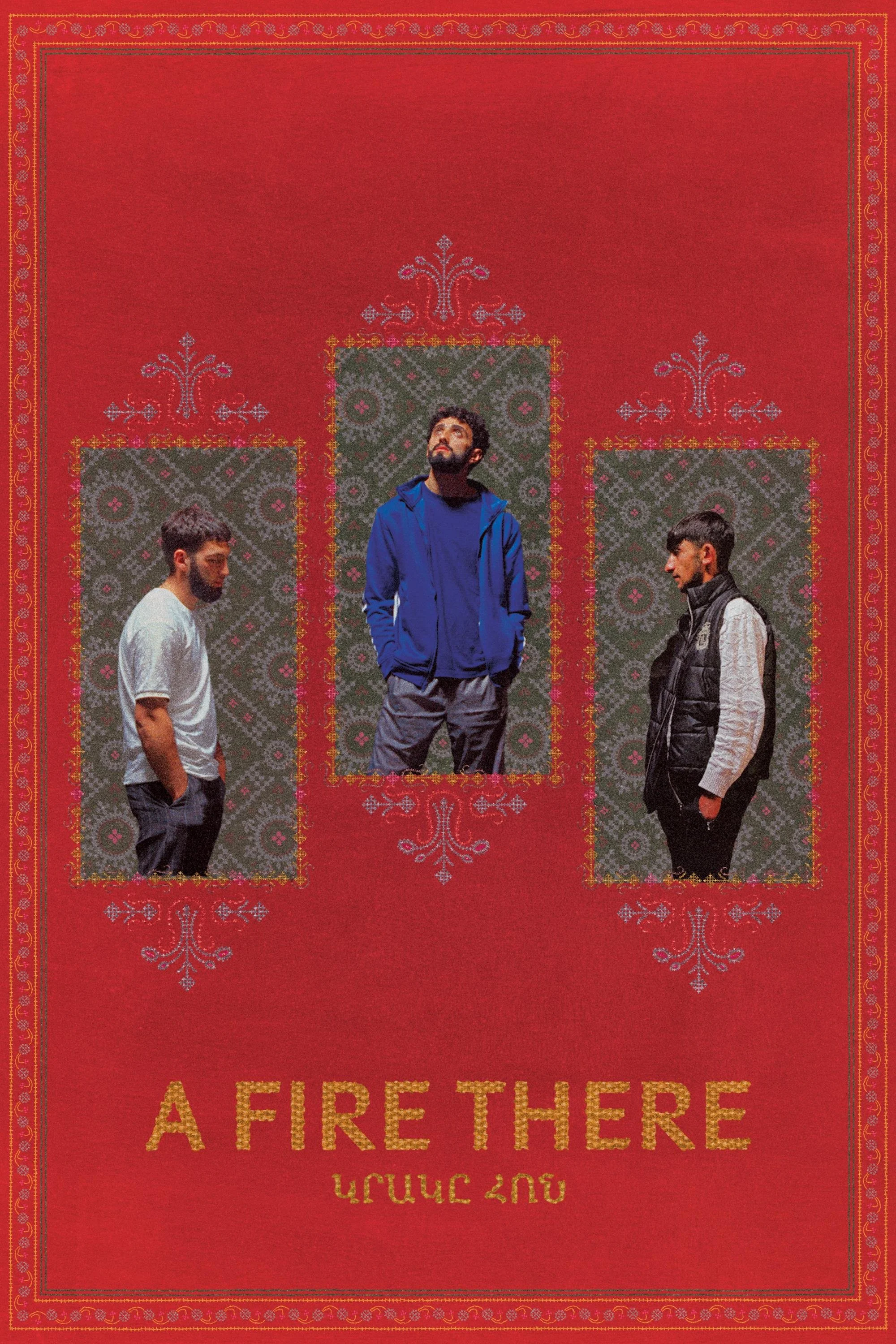

A Fire There Interview : Three Boys at The Crossroads of History, Geography and Time
In 2010, while working on her first feature, Figure of Armen, Marlene Edoyan was investigating why the villages of the Armenian and Southern Georgian countryside had been emptying since the fall of the Soviet Union, when she was stopped in her tracks by the breathtaking village of Gandzani, nestled in the windswept plateaus of untouched rural southern Georgia.
"I forgot my past, my family back in Canada, I couldn't believe where I was. People were erudite, they were talking about poetry, philosophy and art inside their homes but outside they were still driving carts and turning hay."
She made them a promise, to return one day and make a film. Sixteen years later, her film A Fire There has won the Special Jury Award in Visions du Réel's International Feature Competition for "giving us access to the hopes and dreams of young men trying to decide on their future".
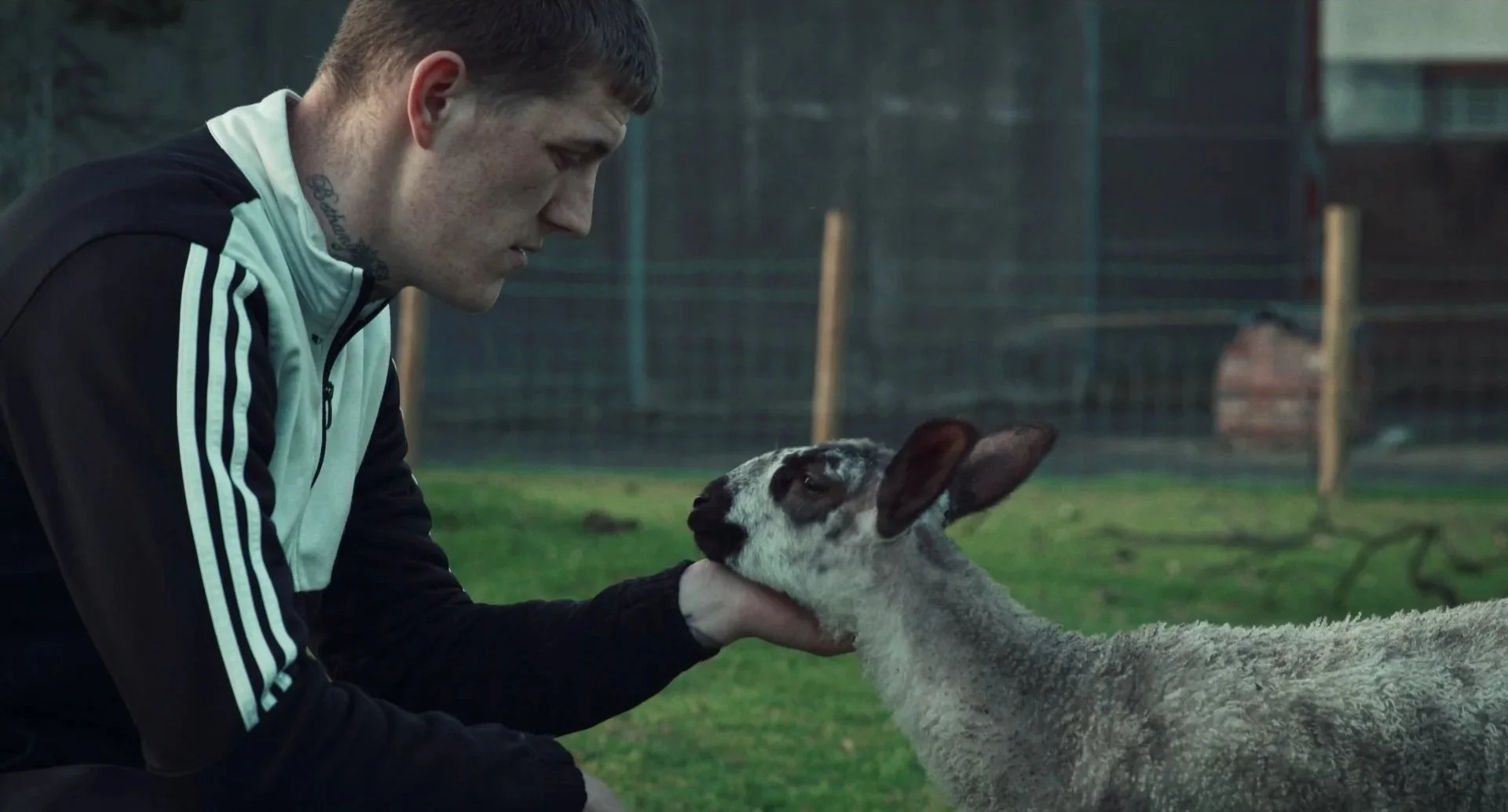
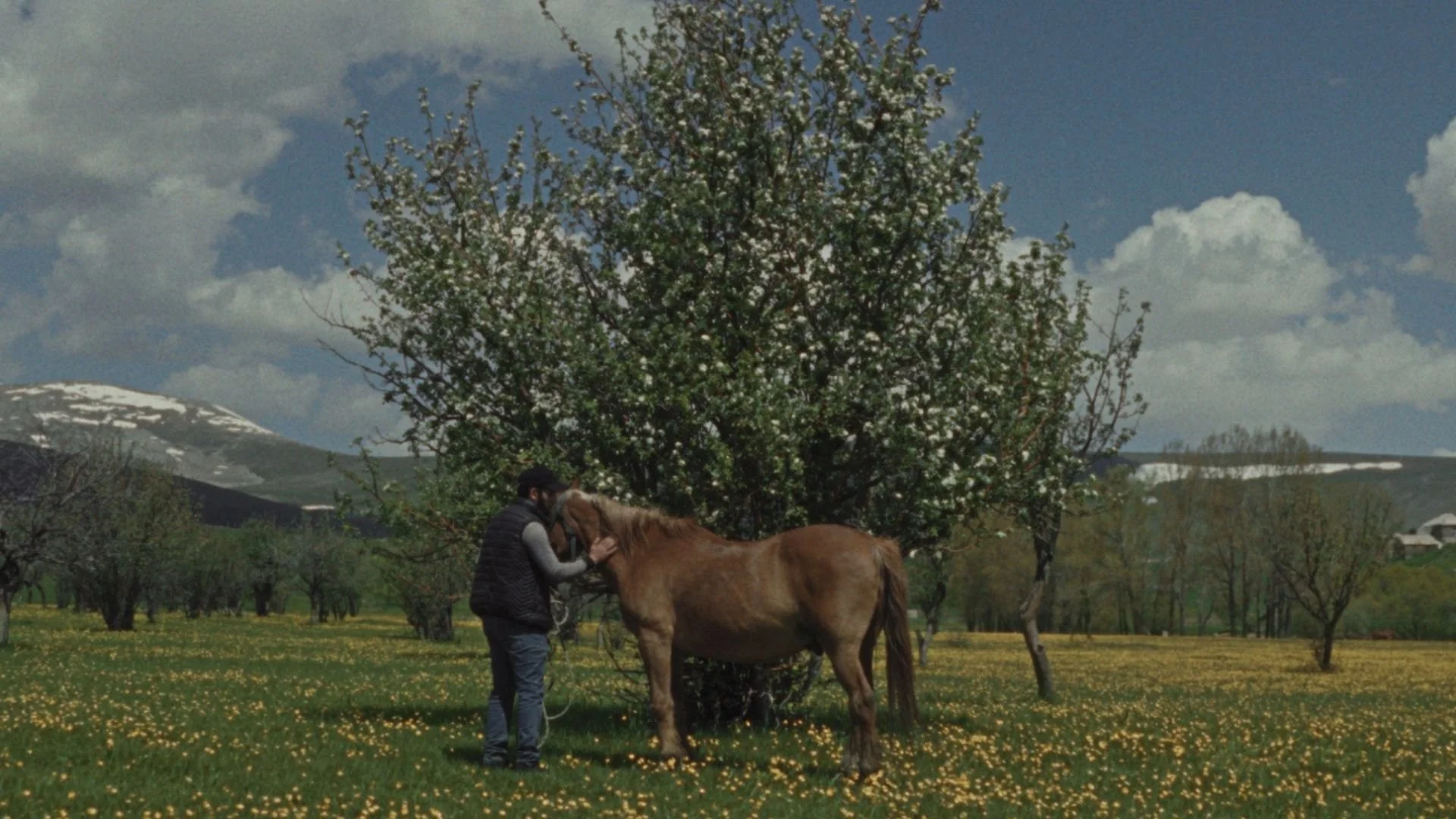
However, Edoyan's original idea wasn't to focus on people and dreams at all. She was inspired to return to the village by people's relationship with the land and their animals. She planned to make a visceral, impressionistic and sensory film with humans, landscape and non-humans placed on equal planes. Despite moving on from that concept, the wind, the sheep and village itself are true presences in A Fire There, giving it a deep nostalgic and sometimes melancholic beauty, which speak to the story at play : that of three friends choosing what path to take in life.
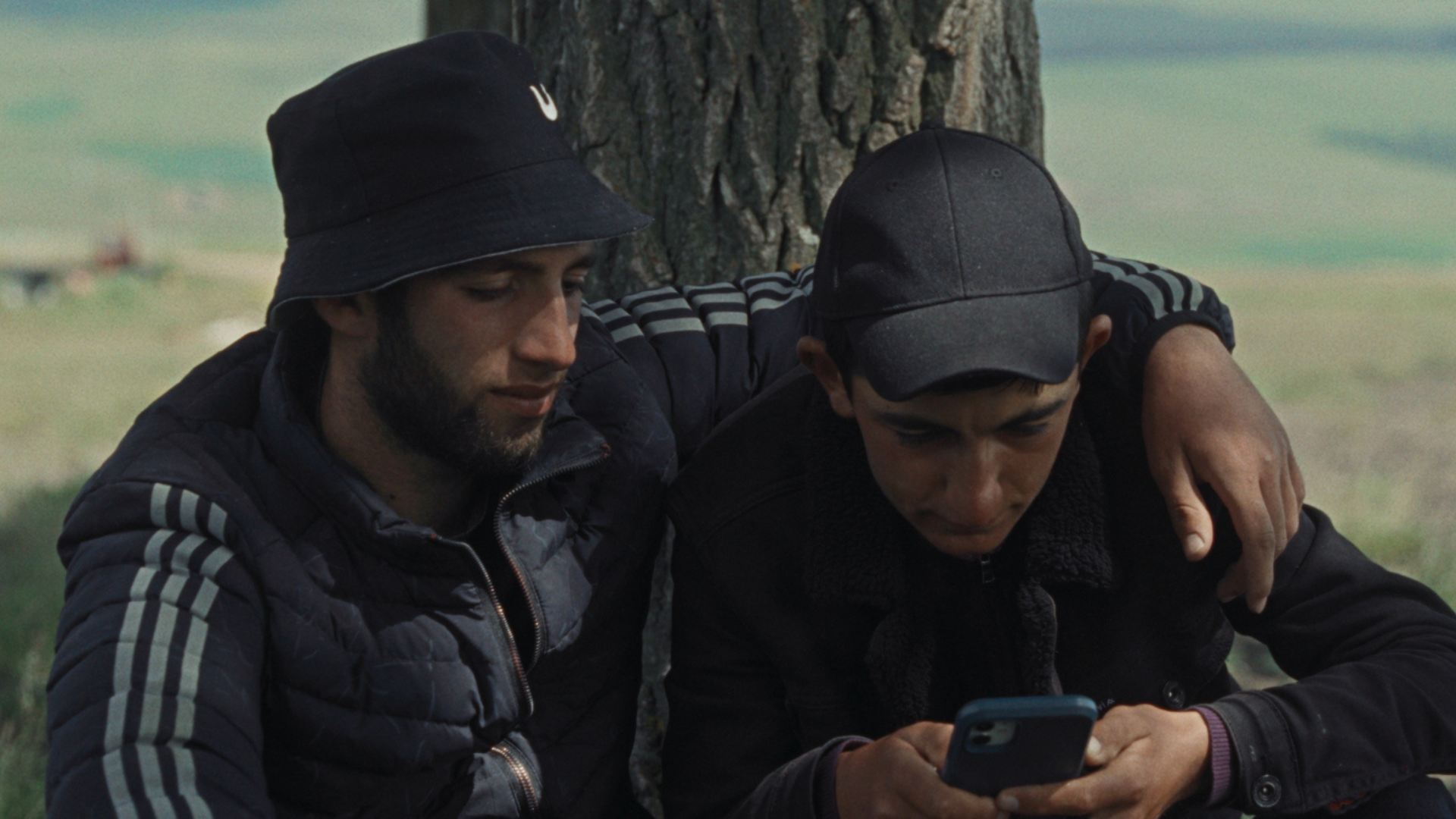
When she returned to Gandzani in 2018, young people were suddenly connected to the internet, social media and the world. Hakob met his girlfriend on the internet, whom he forlornly sends emoji-ladden missives on whatsapp to from the seat of his car or sat in a field watching over the sheep. In one of the opening scenes, Henrikh revises an exam in front of the news bearing worries of the war in Ukraine and lectures his grandfather on international politics, promising that he'll be on TV one day. He clashes with his friend Karlen, who is nostalgic for the Soviet era and is determined to work in Russia. A new narrative of emancipation was unfolding before her as young people debated which studies to take, which city or country to move to.
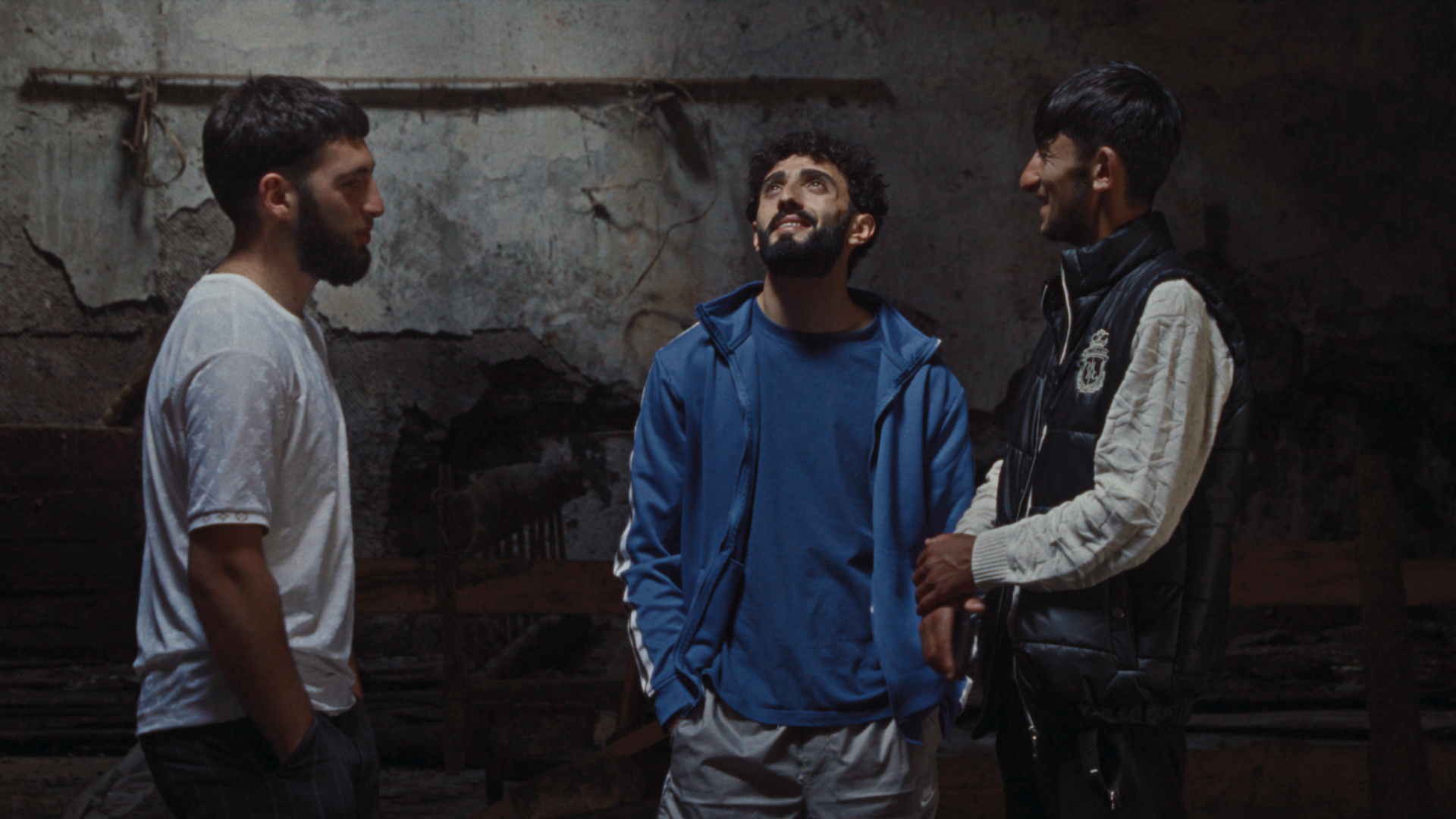
Henrikh, who travelled with Hakob to Nyon to receive the film's award alongside Edoyan, was key to the filmmaker getting the access she needed. She describes him as "the driver" behind the community's backing of the project, who granted her their full trust.
"He understood something important"
"I would even bounce ideas off him just to make sure I was heading in the right direction, that everything was being done respectfully. He was a lot of help"
Henrikh is also a narrative focus of the film, travelling to Tbilisi for his studies and becoming an activist for democracy in Georgia. Footage taken by him of violent protests in the capital are the only moment the audience is given a glimpse of the outside world. Upon his return, he excitably discusses progressive political ideas with his two old friends over a cigarette. They explore their old haunt, the abandoned Soviet milk factory, where his face is lit by a beacon of light and he later leads in the village's rituals.
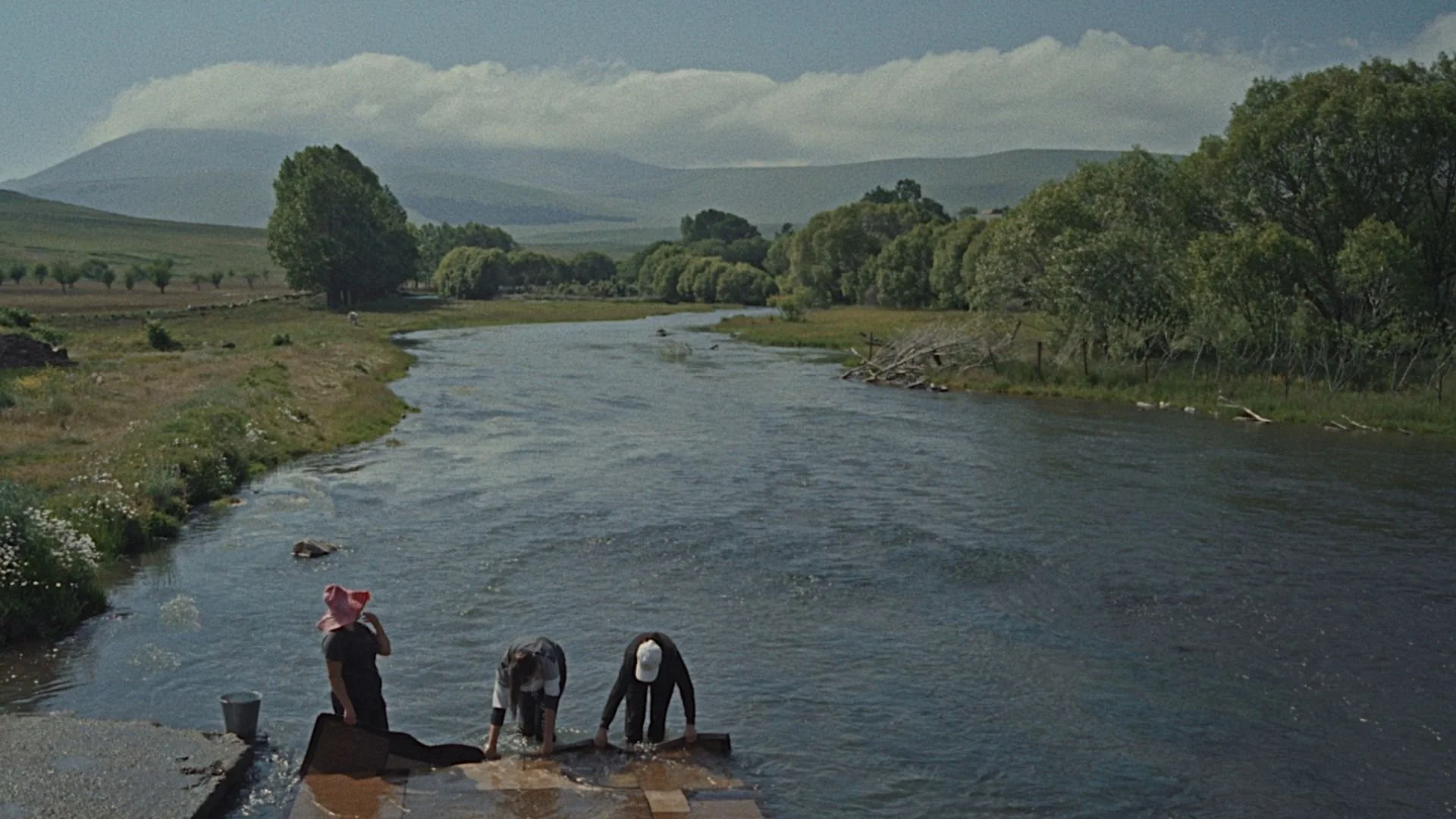
Gandzani is in Southern Georgia but populated by Armenians. This generation, like the ones before them, struggles with discrimination, finding work and the limitations imposed upon them by geography, politics and history. While A Fire There will resonate with all in its intimate portrayal of that scary and vulnerable time in life between childhood and adulthood, it's also a reminder that we're not all given the same chances in life.
"There is no hope, they all fall into the same trap. Everyone will become a migrant worker."
One challenge of the film is its portrayal of women, who appear very little, and almost always in the presence of a male member of the family, with a stilted power dynamic. Edoyan explains that she wanted a young woman to feature but quickly realised that she just wouldn't be able to follow any - they were either marrying or leaving to study.
In a particularly unsettling scene, Hakob's aunt and grandmother suggest kidnapping his long-distance girlfriend, like they did his mother. To which a mute Hakob responds by silently locking his phone, a gesture intelligently captured on camera.
"He's a very quiet person, but in his own way he was fighting that. He didn't want anything to do with that kind of legacy."
This generation’s desire to overcome societal and inherited limitations is pervasive throughout the film, and after all the pensive moments, the tense conversations with relatives, the hand-wringing of the elders and the howling of the central asian wind, their time of reflection and exploration culminates in a particularly moving banquet in honour of Henrikh and his political ambitions - a scene that he convinced Edoyan to film.
"He quickly became the symbol of sacrifice and savior. So it's like the last supper. Behind closed doors, he's also going around the village telling everyone about his plans, how he's going to emancipate them and free them while they're all saying : we believe in you, you'll never go on the wrong path. So can you imagine that weight on his shoulders?"
With every toast, every elder grants Henrikh their wishes, praising his qualities, tearfully willing him to do better, to break the cycle and achieve what the world has denied them as exiles, as migrant workers, as Armenians.
The 24th of april marks the commemoration of the Armenian Genocide, in 2026 it was also the day a film about three Armenian boys and their wishes for the future deservedly won the Special Jury Award at Visions du Réel.
A Fire There was awarded the Special Jury Award in Visions du Réel’s 2026 International feature film competition where it had its World premiere.
The film is produced by Dominique Dussault (Nemesis Films) and Marlene Edoyan.