
Jaripeo Interview : A Sensual and Vivid Reckoning with Queer Cowboy Desire
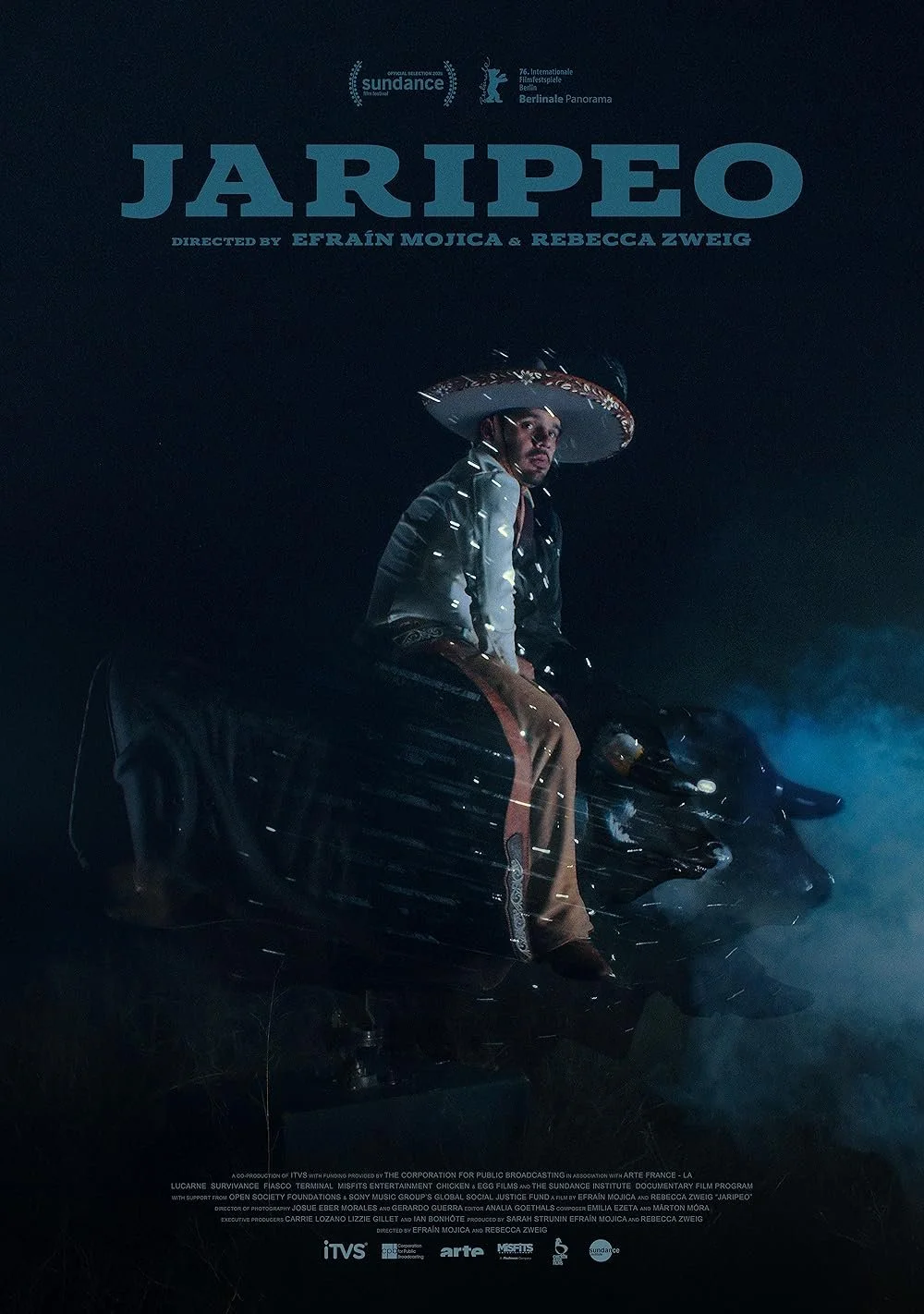
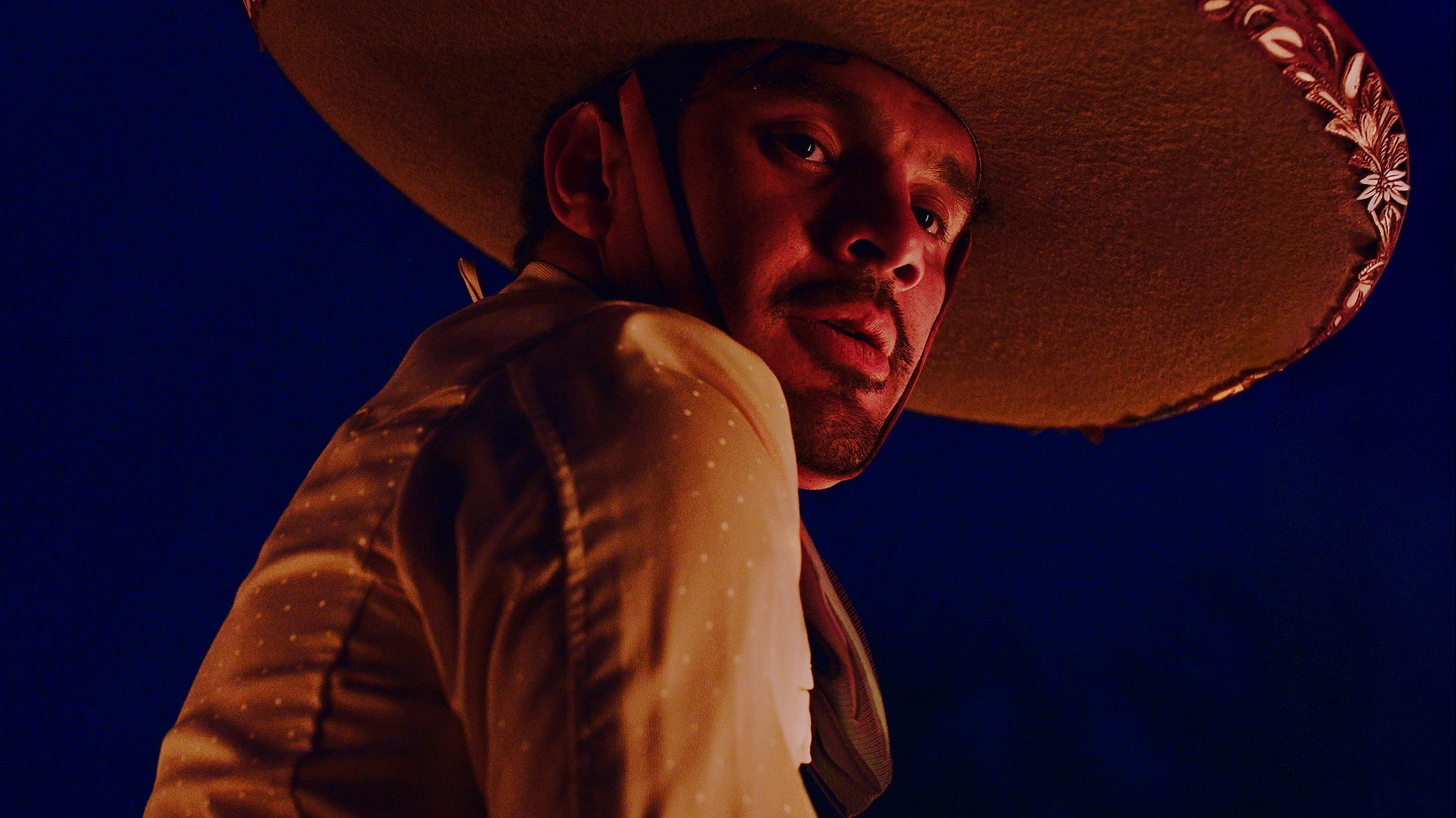
Sensual, lyrical and textured, Jaripeo takes us into the heart of an obscure queer subculture of Mexico’s rodeo scene. In this hyper-masculine and macho space, co-director Efraín Mojica acts as our guide: the camera seeks out coded glances and late-night revelry to unveil a vividly shot reckoning with queer desire.
Jaripeo takes its name from a Mexican style of rodeo. The film takes place in Penjamillo, in the state of Michoacán in western Mexico, where Moijca grew up. Friends for over a decade, the spark was lit for Mojica and Rebecca Zweig’s directorial debut after Mojica invited Zweig to spend Christmas with their family in Penjamillo in 2017, where Zweig experienced her first jaripeo.
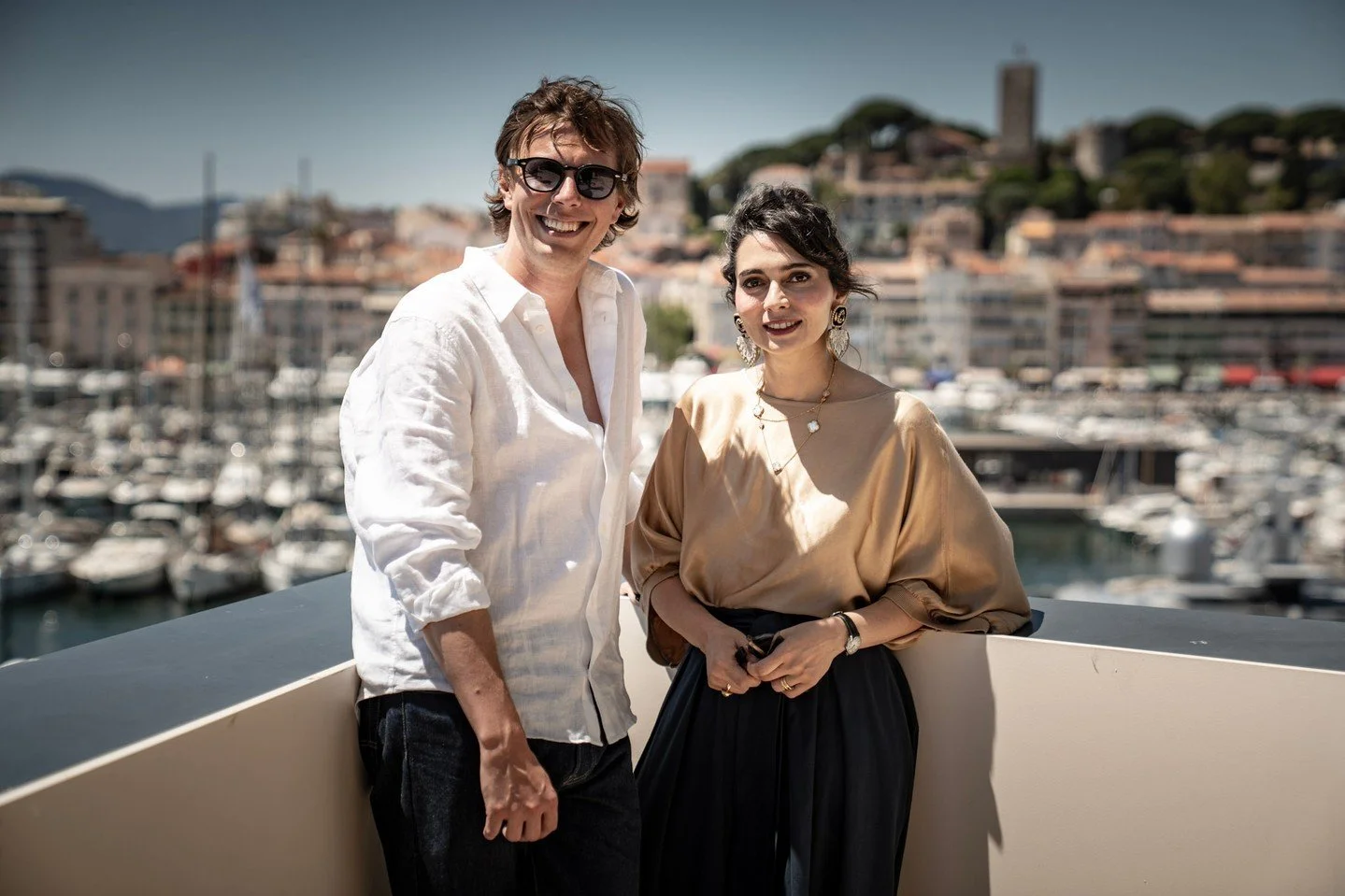
To learn more about their collaboration, I met the co-directors at a café terrace in Nyon on a sunny spring afternoon following Jaripeo’s screening on the opening night of Visions du Réel.
RZ: I was really struck by the atmosphere [of the jaripeo]. It was so vibrant and complex and cinematic. I thought I might write something about it, and kept going back with Efraín. It wasn’t until 2021 that this idea developed into a film, thanks to our producer - who is also a friend. I asked Efraín if they wanted to make a film about the jaripeo and they said yeah, but let’s make it gay.
Collaboration is at the core of Jaripeo, where friendship and trust were a priority on and off-screen. With Mojica’s background as a photographer and visual artist, and Zweig’s background as a writer and poet, Jaripeo feels like a true coming together of spirits. I ask about how their difference in disciplines emerged in the film.
EM: It was the perfect complement to each other. For me, especially with the abstract sequences, I really had a feeling in my head and a gut instinct of what I wanted to portray. But I had no idea about how to put together the narrative.
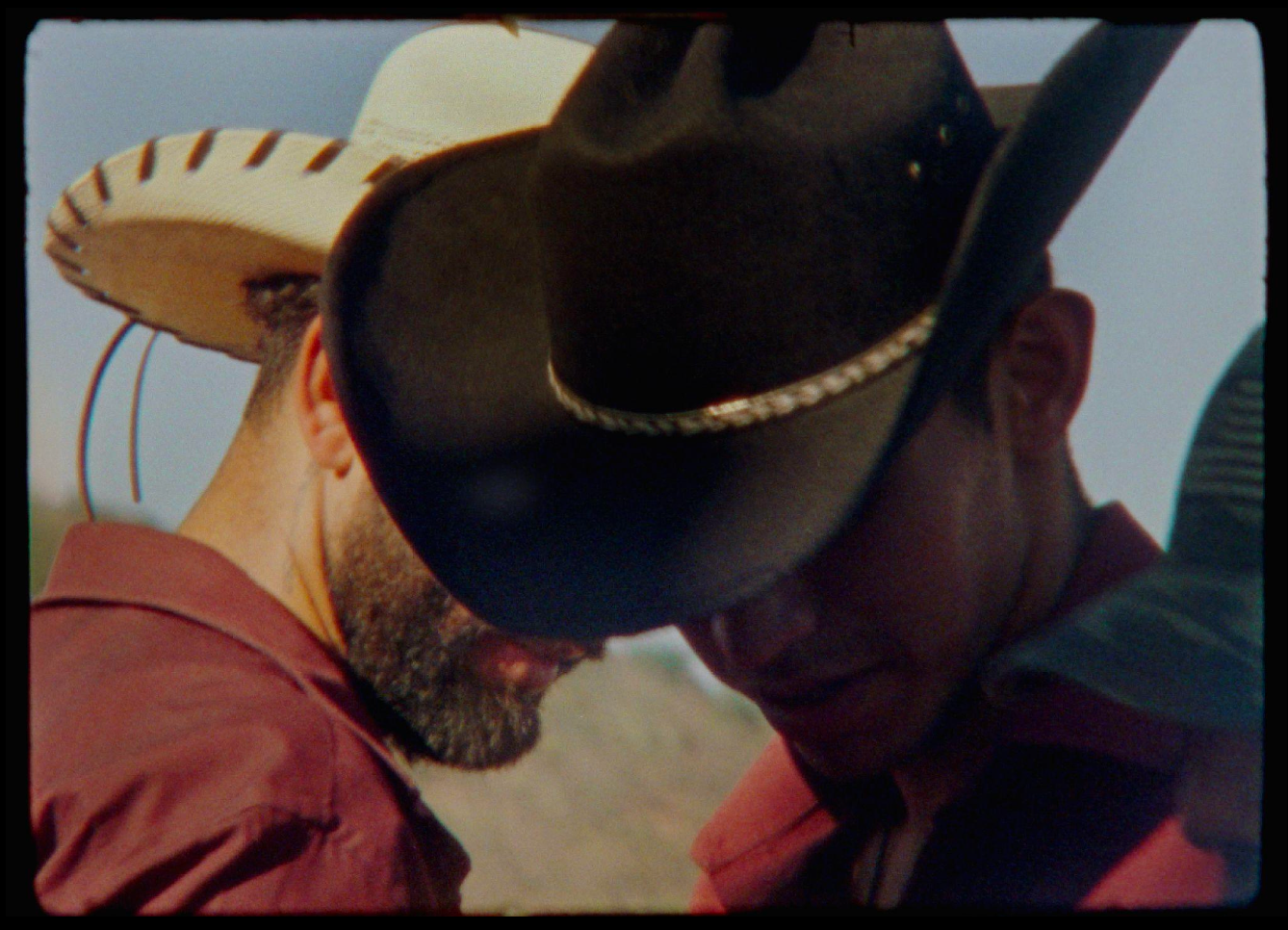
RZ: I’m more specialised in experimental narrative and non-traditional narratives and things that find each other by association and encounter. For us to be working with all these mediums and textures in the film it almost felt like I was writing the longest poem I’ve ever written. I think poetry and cinema are very similar mediums. In terms of the way you’re thinking about image composition, and how image and sound interact with each other. I think our backgrounds ended up feeding off each other in ways that we didn’t expect at all. It made the collaboration much bigger than we’d expected at the beginning.
Jaripeo derives meaning from sensation and feeling over narrative in an attempt to evoke queer desire in nuanced and creative ways. Zweig suggests that the film seeks to capture something ‘in excess of verité,’ that resists easy representation on screen. Indeed, there’s a strong sense of visual poetry in the film. Images guide our thoughts and emotional responses. The camera lingers at waist height, zeroing in on tight denim as rancheros attempt to ride bucking bulls. Men clad in cowboy hats are silhouetted against sunsets and smoky, strobe-lit backdrops while the Super-8 footage imbues a tactile and nostalgic element. I enquire more about the use of this medium, which Mojica describes as their ‘queer eye’.
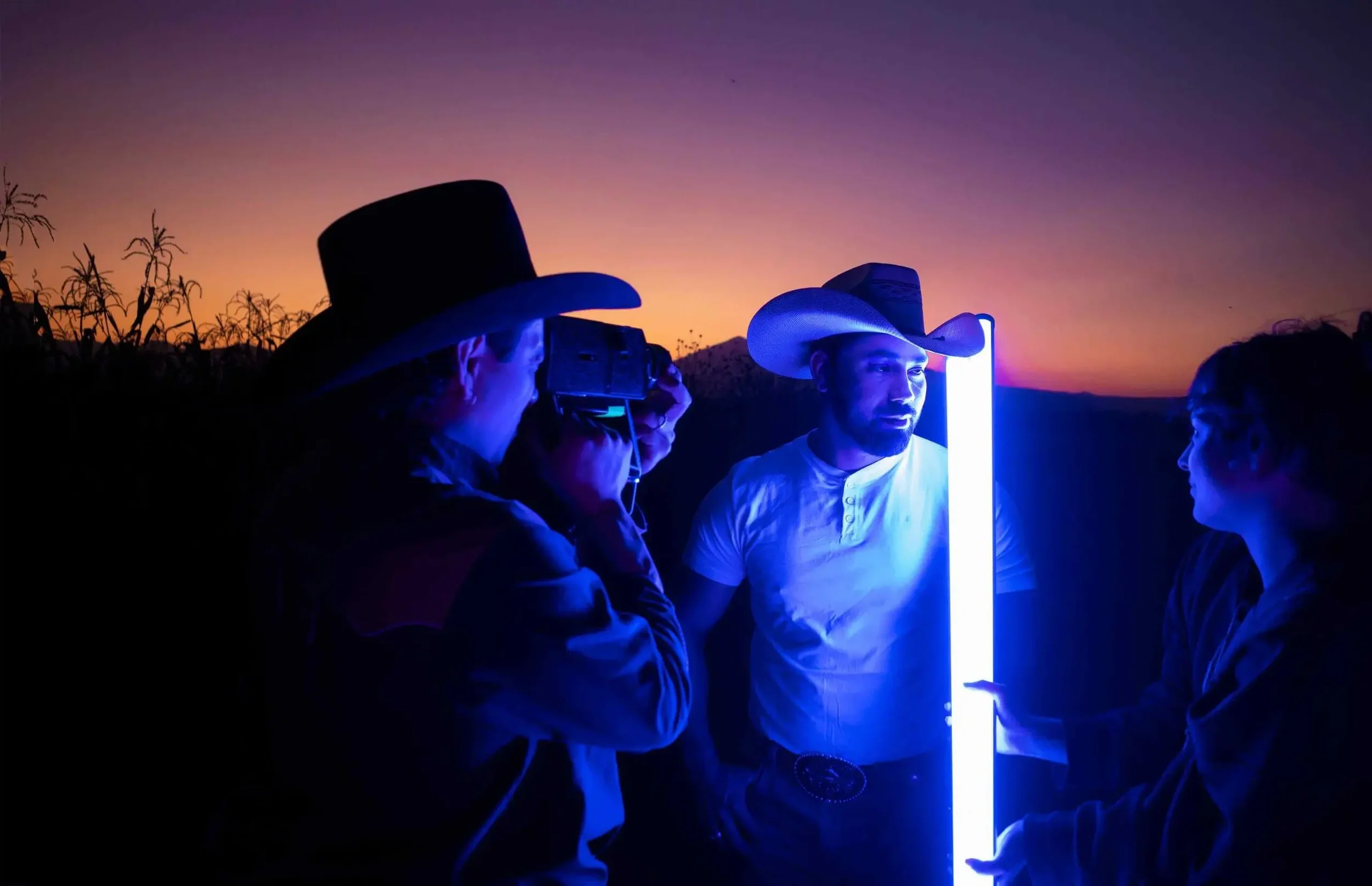
EM: It was a way of showing how present the queer community is in this macho-dominated space. If you go to the jaripeo and don’t know where to look, it’s just another macho space. But if you go and pay attention, it’s full of gay shit. There’s an excuse that everybody’s drinking from 10am. [The Super-8 camera] enables this more texturised feeling of how it is from the inside. At first, it’s more of a physical approach to these coded languages and to subtle details of intimacy between men in this space. And then the Super 8 evolved into more of a queer mindset of belonging.
Jaripeo resists easy answers, presenting a spectrum of possibilities of queerness rather than the coming-out stories we often see on screen. The film explores the tension between queer acceptance in Penjamillo, the patriarchal ideals of jaripeo culture and a reluctance or resistance to fully embrace queer identity, even for Mojica, who had not come out to their parents before making the film.
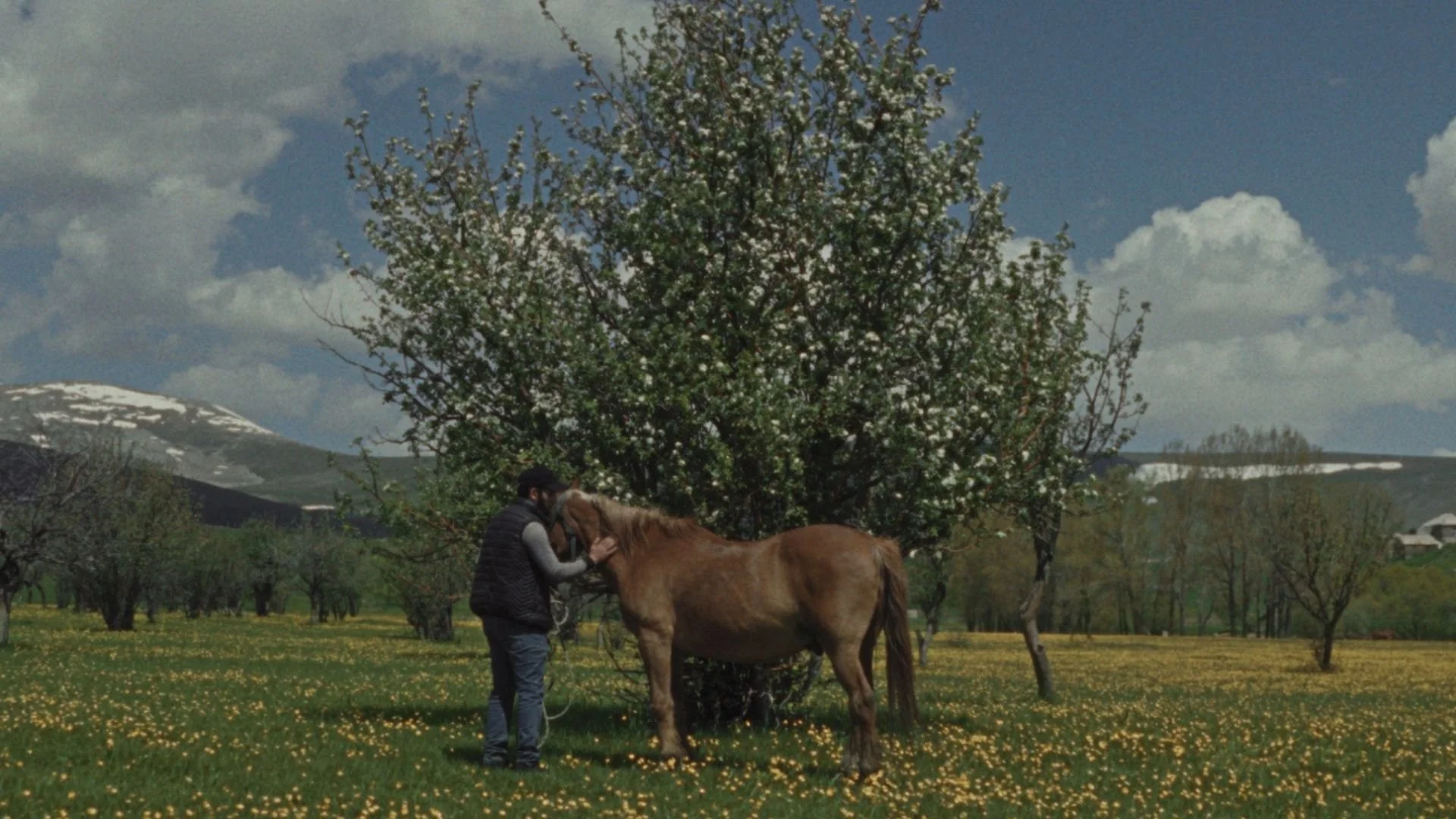
Mojica’s personal journey adds another layer to the narrative. While they hadn’t initially intended to appear in front of the camera, they felt that they owed it to the other participants to lend their own vulnerability to the story. Over the course of four years, the directors repeatedly returned to an idyllic hillside setting in Penjamillo, where Mojica would reflect on the conversations and occurrences that we see in the documentary. These scenes help to ground the film, acting as a visual and narrative anchor for the film’s more abstracted scenes.
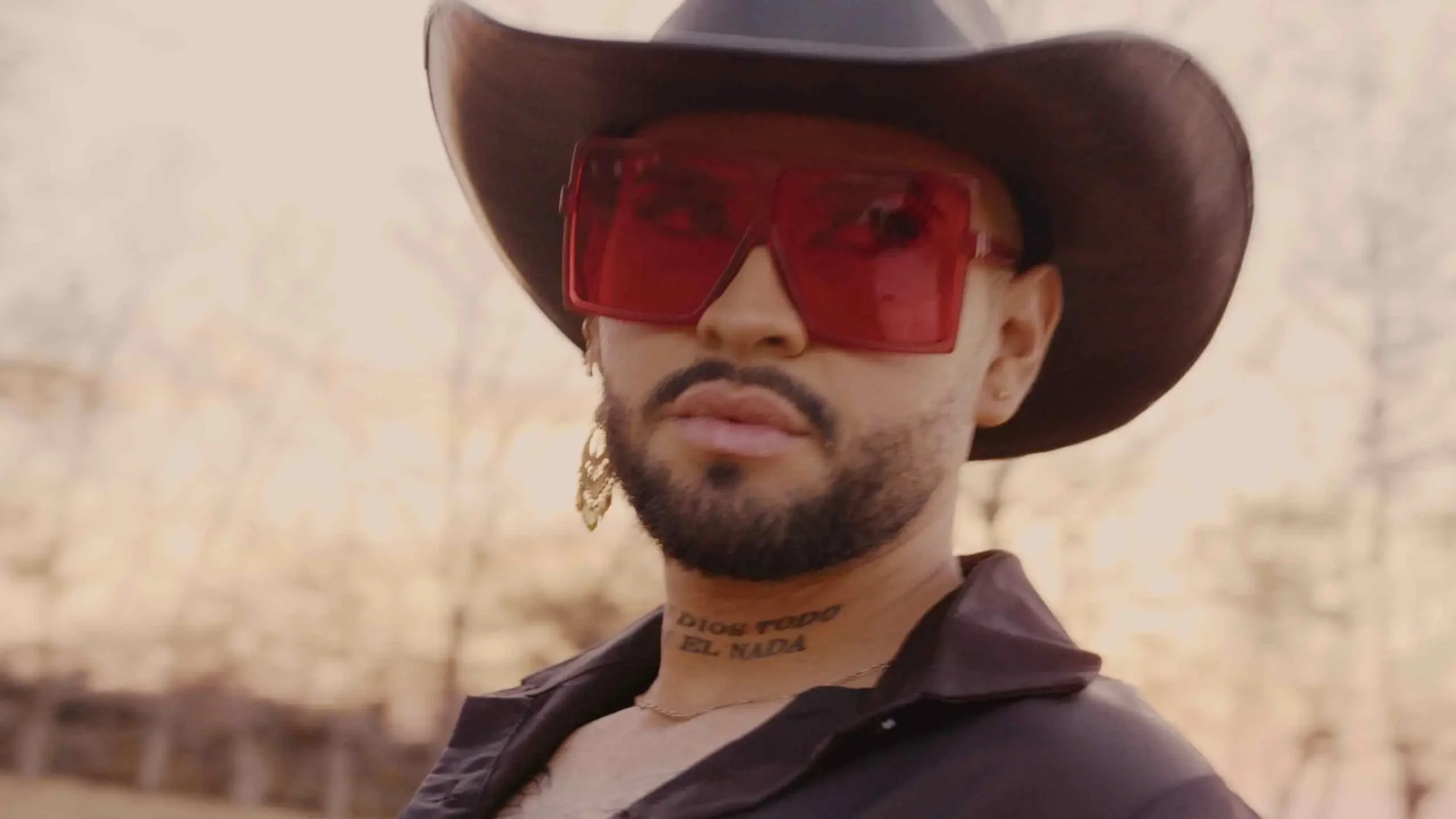
When I speak with the directors, they emphasise the importance of the quality time they spent with the participants and film crew, and the friendships and trust built both on and off-camera.
RZ: That was part of what the film was. Something people seem to really absorb about the movie is how intimate it is. That comes from actually spending time with people there and not creating a wall between you and them with a camera. That’s the obstacle. You want to break that down and to be able to party.
When I ask what’s next for the film, Mojica and Zweig inform me that, as it’s not yet been screened in Mexico, they’re hoping to host a screening of Jaripeo at the corrachal in Penjamillo for the community, followed by a big rodeo party to celebrate, of course.
EM: “You’re invited, everyone’s invited!”
Jaripeo was selected in the Highlights section of Visions du Réel 2026 and had its World premiere at Sundance Film Festival before being shown at Berlinale and other international film festivals.
The film is produced by Sarah Strunin (Jaripeo Documentary LLC).