
NAZA is a clinical blow to Israel’s genocidal propaganda machine
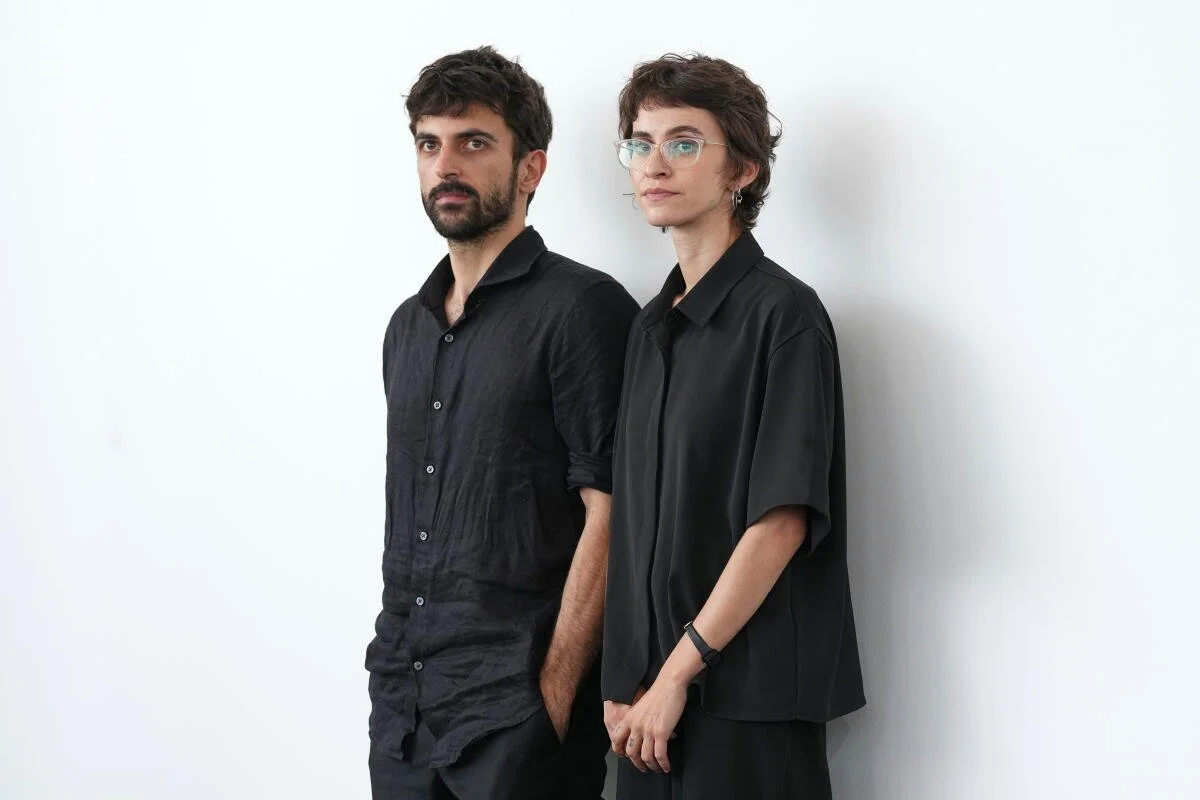
Following No Other Land, their Oscar-winning first feature film made with Palestinian filmmakers Basel Adra and Hamdan Ballal, Yuval Abraham and Rachel Szor’s much anticipated second feature was welcomed with a record-breaking 25-minute ovation and the Special Jury Award when it premiered at the Venice Biennale in September.
NAZA, a military acronym used by Israeli intelligence to describe the civilians they expect to kill in an airstrike, builds on a series of revelations first published by the Guardian, +972 Magazine, an Israeli-Palestinian publication, and Hebrew-language outlet, Local Call between 2023 and 2025.
“The film lets us explore something deeper than we could in our investigative journalism alone: not only the words being said but also those that are not said, the silence. It is up to all of us to break that silence.”
One such silence that echoed through my viewing of NAZA came after Yuval Abraham simply asked: “Why kill them?” To which an IDF soldier replies: “I don’t know.”
This is at the heart of what NAZA grapples with. How could these men (and one woman) go to work every day and kill so many innocent people with such consistency, even excitement, according to one participant. The film picks apart how Israel’s war plan, the technology it employs and the very use of the term NAZA - “definitely not women and children”, as one interviewee puts it - intentionally dehumanises Palestinians to the point of gamifying their mass murder. NAZA successfully does that rare thing of being uncompromising in its journalistic rigour while using cinema to show the profound psychological nature of what’s at play.
Before we get into that, it’s important to understand how effective the film is in delivering the facts it uncovers.
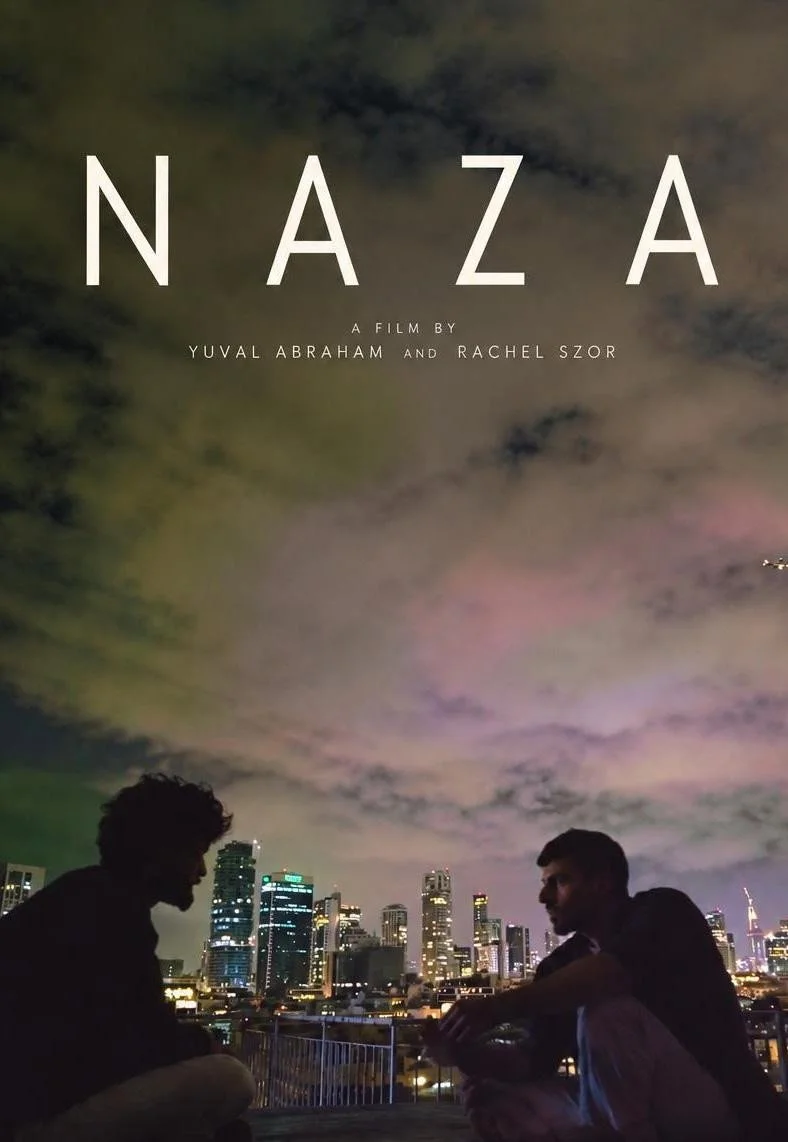
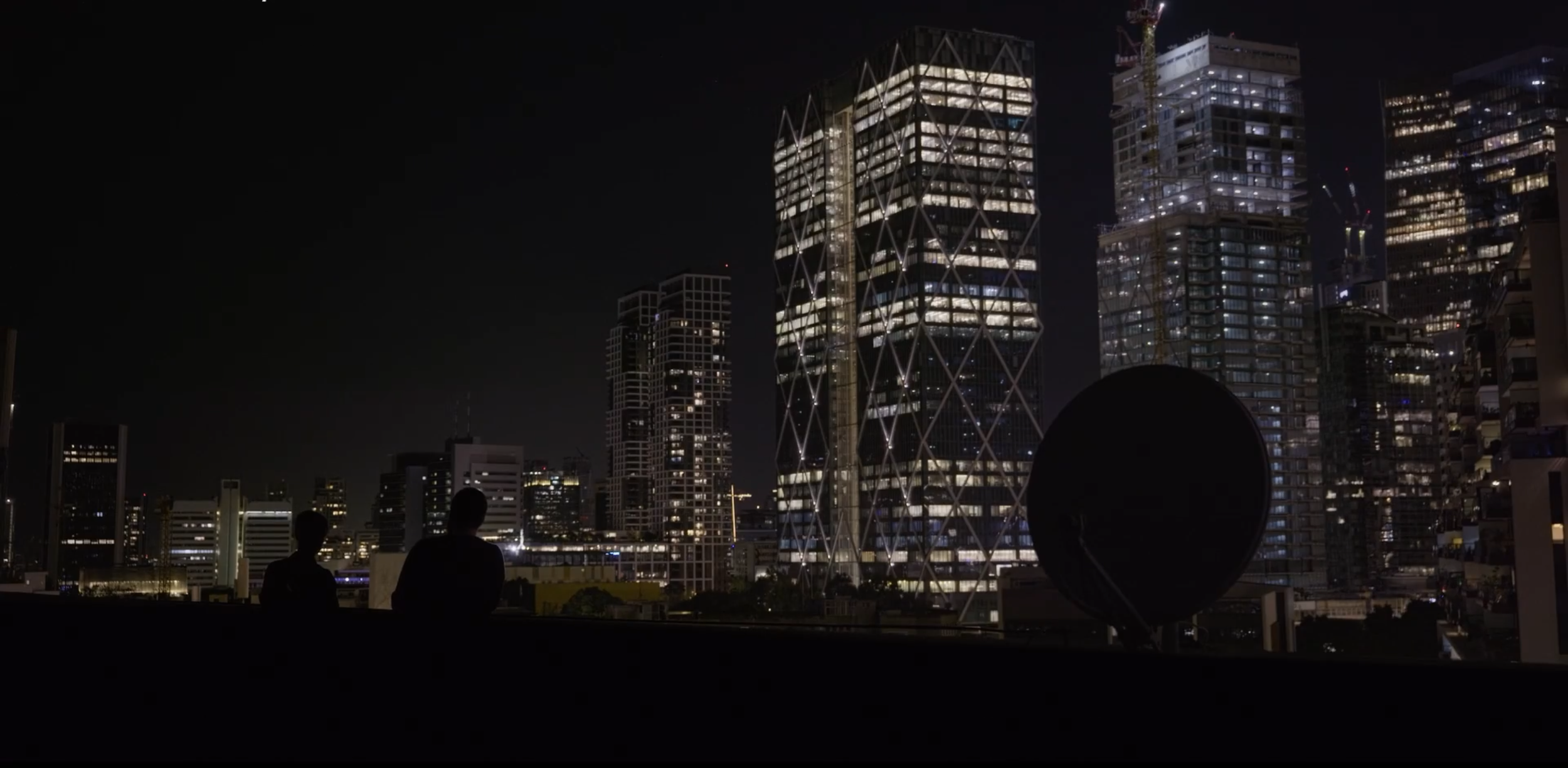
NAZA’s revelations from the inside of the Israeli war machine are comprehensive and terrifying, chaptered into terms used by the military such as Lavender, Where’s Daddy? and Annihilation Zone. The film takes place almost entirely on the rooftops of Tel Aviv, at night, and consists of anonymised interviews of 24 Israeli soldiers and intelligence officers. Anonymity was the condition the filmmakers agreed upon in order to secure the participation of the interviewees.
We find out that a flawed AI program called Lavender is increasingly determining who lives and dies in Gaza and that an “Annihilation zone” visible to the Israeli forces alone progresses south through the city, leveling occupied buildings and murdering men, women and children without any justification or explanation as it advances.
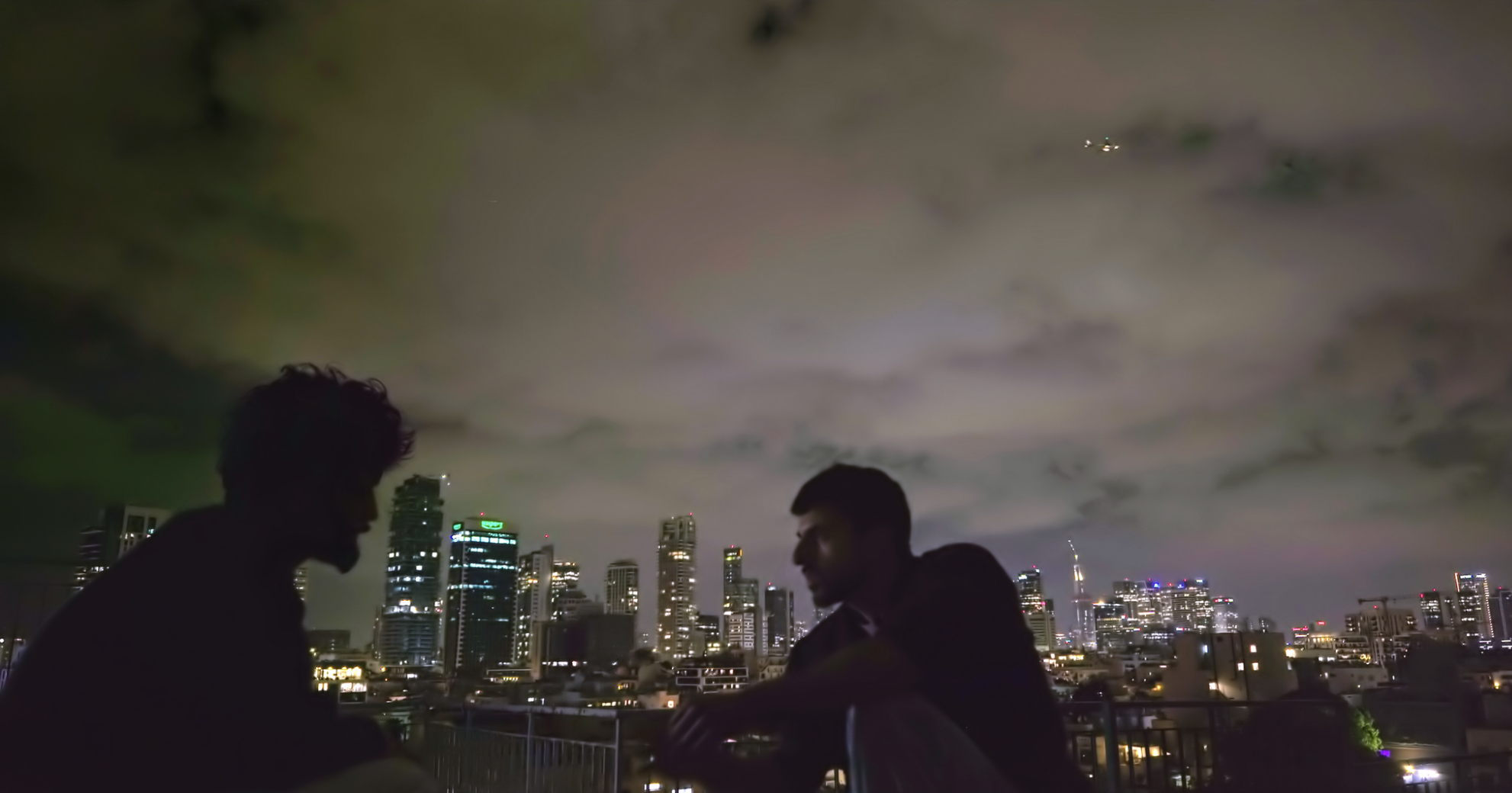
Where’s Daddy? is the codename for one of Israel’s most chilling strategies in waging its genocide. It’s explained by an interviewee that when military and strategic targets in Gaza had been exhausted, the intelligence service chose to begin targeting members of Hamas at night, in their homes, for the simple reason that it was the easiest and most reliable way to track them via their phones. They did this by using a program that would alert operatives if key words or expressions such as “Daddy’s home” appeared in a child’s text messages. The operative would then hack the child’s phone, confirm the target’s presence by listening in using the microphone and proceed to strike the building, killing the child and whoever else might be in the building. The interviewee describes this as hearing a person’s last words.
Throughout the film, the camera pans across immaculate residential blocks in Tel Aviv, as we catch glimpses of the comfortable western lives within. In truly Orwellian moments, we linger on living rooms where Netanyahu’s beaming face is spread across a screen in dazzling technicolour, assuring the viewer that all is well, that targets are being met, that defence is attack and that war is peace. Conversation in the darkness of the rooftops above then resumes on the subject of genocide, mass graves and bodies being eaten by dogs.
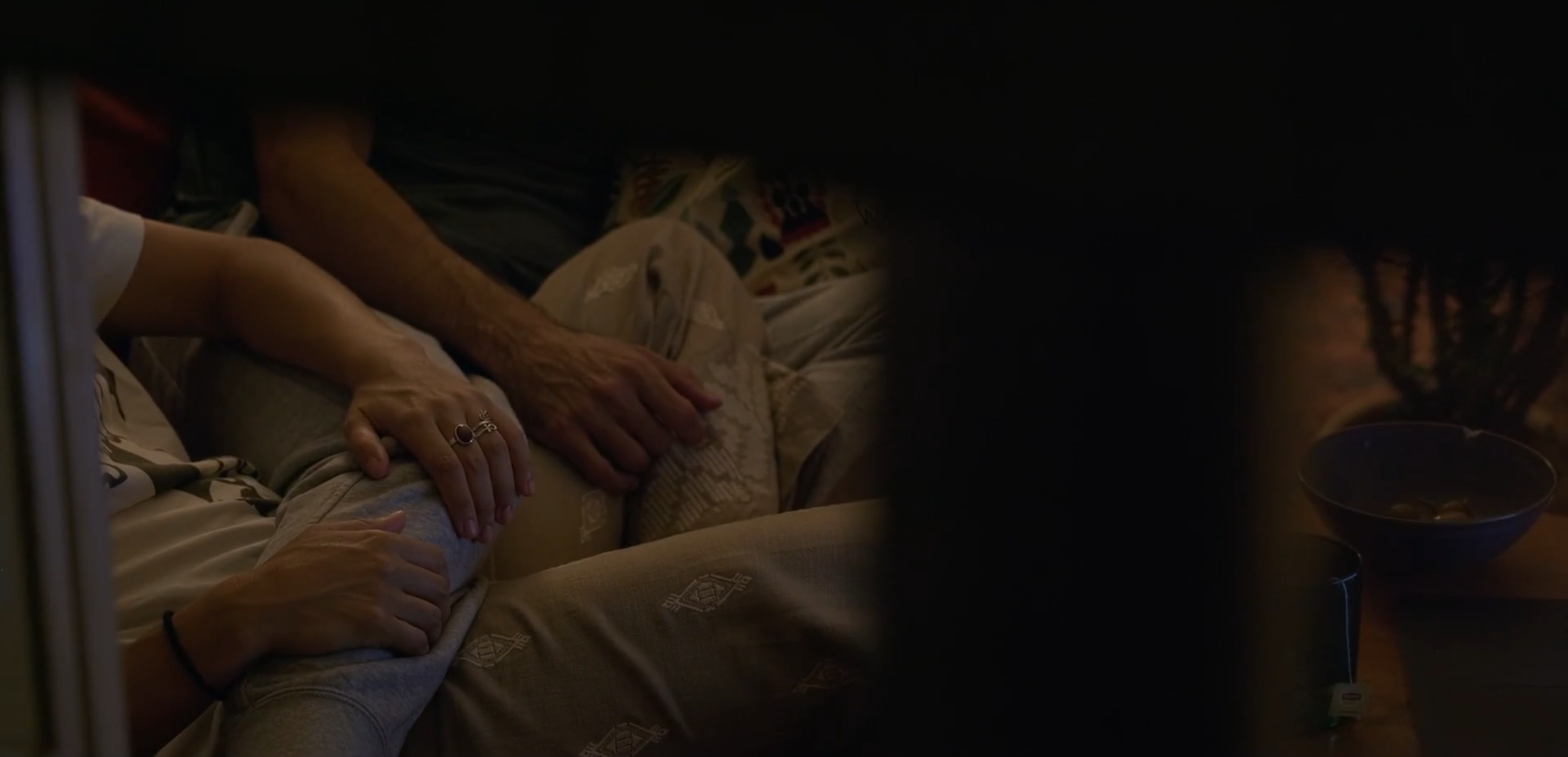
Israel’s highly developed mass surveillance system dates way back to the installation of phone lines in Gaza. It means the targeting software used for airstrikes can determine with some precision the quantity of ‘NAZA’ per strike, of which 20 is referred to as a benchmark figure. That’s 20 innocent civilians murdered for one target to be taken out, a target that could have been wrongly identified by AI in the first place. What’s more, according to the interviewees that limit was regularly broken, sometimes reaching 100, 200, even 500 NAZA. An entire neighbourhood of several blocks raised in the hope of hitting just one person.
Beyond the information that they bring, viewers will spend the film poring into the blacked out faces of the people who calmly sit before the camera and explain how they killed dozens of innocent people every day. It’s not always clear how they feel, or why they’re participating in the film in the first place. The digital masking of their identities makes it hard to read their emotions, their sincerity. Some show no remorse and few are willing to accept the blame for the hundreds, sometimes thousands of people they say they’ve killed. They consider themselves cogs in a system - or a society - that they could not stand up to, despite willingly participating in it.
By quitting and by speaking out about what they did, some could be participating in pursuit of moral redemption. Yuval Abraham is particularly attentive to this in his responses, no doubt in the knowledge that the film could be interpreted as platforming noble ‘whistleblowers’ under protection of anonymity rather than pinning down murderers on camera to reveal the system in which they willingly took part.
For example, at the time of filming, Israel believed there were 40,000 Hamas operatives in action. 40,000 targets with 20 civilians killed for each - the NAZA benchmark - would wipe Gaza off the map. When Yuval Abraham makes this calculation, the person opposite him confirms:
- “That’s why at some point I couldn’t stay there. I can’t take part in this.”
- “But you did. You already took part in this.”
The parallel with Nazi soldiers and their involvement in the final solution is impossible not to make. Early on, an interviewee describes the Israeli bombing strategy as being “done on a mass scale, efficiently, like a factory.” Notions of efficacy, speed and dehumanisation when it comes to killing course through all the interviews. Use of the term NAZA to replace civilians, mass loss of life turned into percentages and statistics, the idea of “cleaning” an area of Palestinians…
One participant actually brings it up themselves: “Today I understand it. I understand how a man can blow a place up and go home to his degree in clinical psychology. I still see those Nazis as evil but what does that mean I am?”
Another, the only one who uses the word genocide and seems genuinely repentent, describes the missions as “insanely fun” and as granting a sense of meaning. He says that at no point did he think about the humans that were killed by his strikes and that nobody around him ever raised any concern, on the contrary.
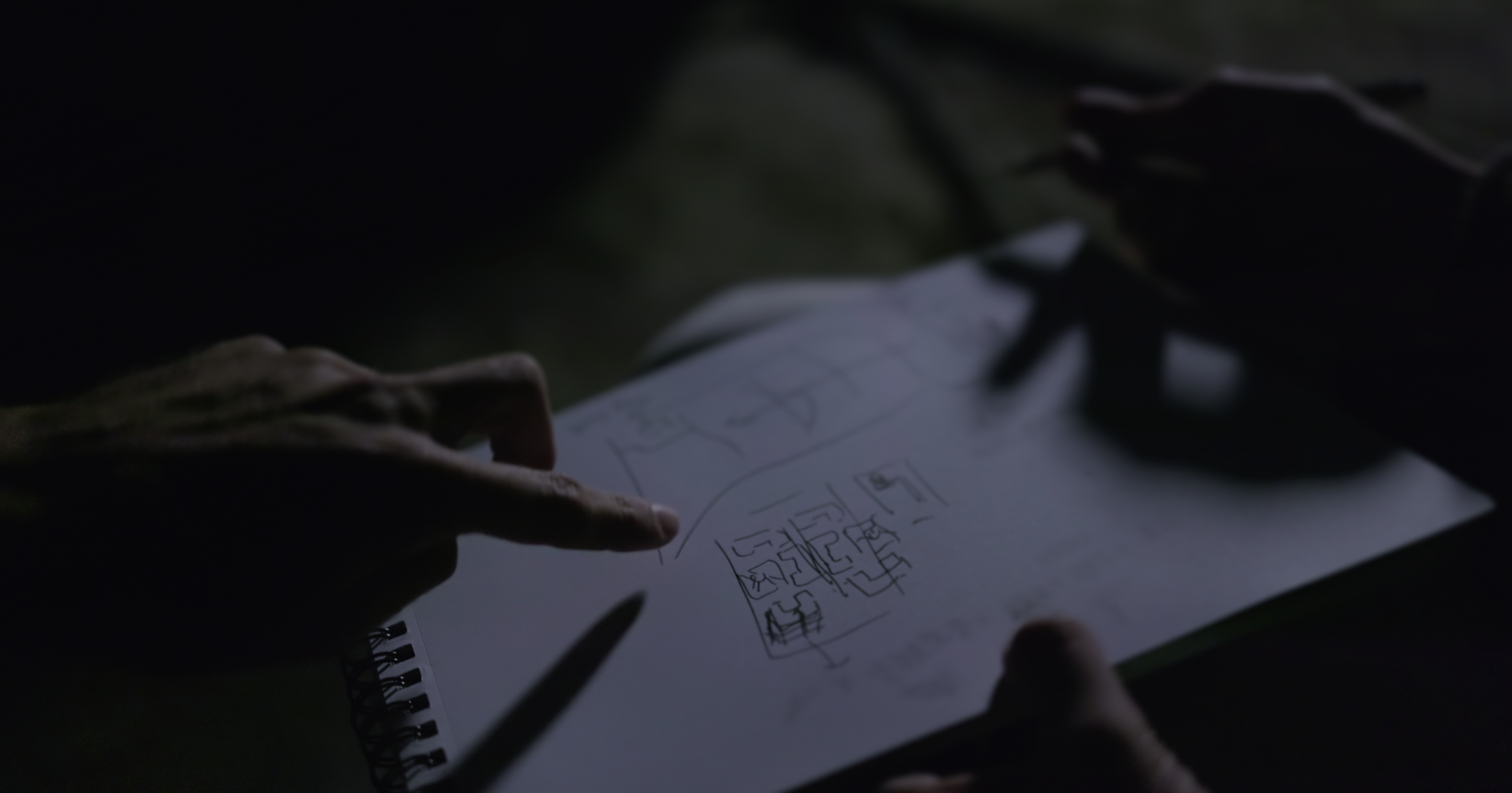
NAZA is a clinical, devastating blow to Netanyahu’s propaganda machine. It cuts seamlessly through the zionist ideology, going as far as to criticise even the founding of Israel by making a direct link between the current raising of Gaza and how Tel Aviv was established in the 1940s. The Israeli government has fiercely attacked both directors, threatening to strip them of their citizenship and accusing them of treason.
The directors make strong artistic choices that pay off, notably the decision not to show any images from Gaza until very late in the film - which are very limited, a welcome reprieve from the normalised flood of content we receive every day, granting them far more impact. Instead it shows a sleepy Tel Aviv, safe and unaffected, where, according to an interviewee, people continue to go about their daily lives in “two simultaneous realities: one that’s visible and one that’s invisible.”
NAZA had its world premiere at the Venice Film Festival where it won the Special Jury Award.
NAZA is currently in US and French cinemas. The film will be distributed in 56 territories.See it in UK and Irish cinemas from 16 October with preview Q&A screenings from 15 October.
Tickets at www.naza.film
The film is produced by The Guardian and mk2 Films.