
Runa Simi Interview : A Quechua Man's Quest for a Post-colonial Lion King
Doc Weekly Contributor Anna Stopford interviewed director Augusto Zegarra at Sheffield DocFest for the World premiere of his film Runa Simi.
Runa Simi takes place in Cusco, Peru, and follows a local man, Fernando Valencia, on his quest to dub The Lion King into Quechua, the largest pre-Colombian language in Latin America.
As the number of speakers is in decline, Fernando is passionate about bringing the beloved Disney classic to Quechua speakers young and old. The project aims to keep the language alive for youngsters, and to remove language barriers that have long excluded older generations from the simple joy of cinema.
Runa Simi is a heartwarming tale of Fernando’s determination to achieve his dream, with themes of fatherhood, family, and community. However, beneath the surface, it is a moving story of decolonial resistance. As languages are inherent to upholding colonial structures, Fernando discovers the power his voice holds to dismantle them.
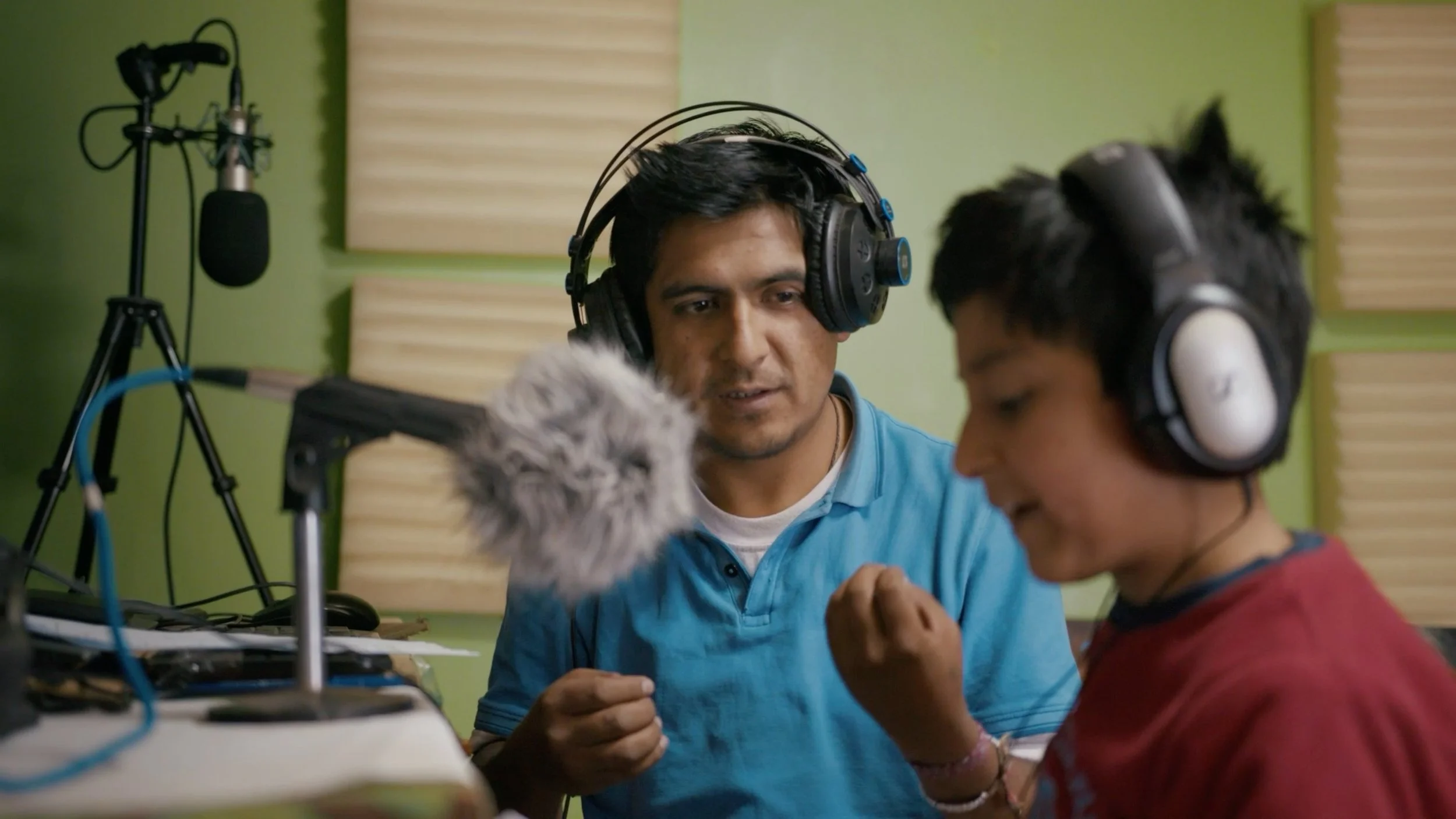
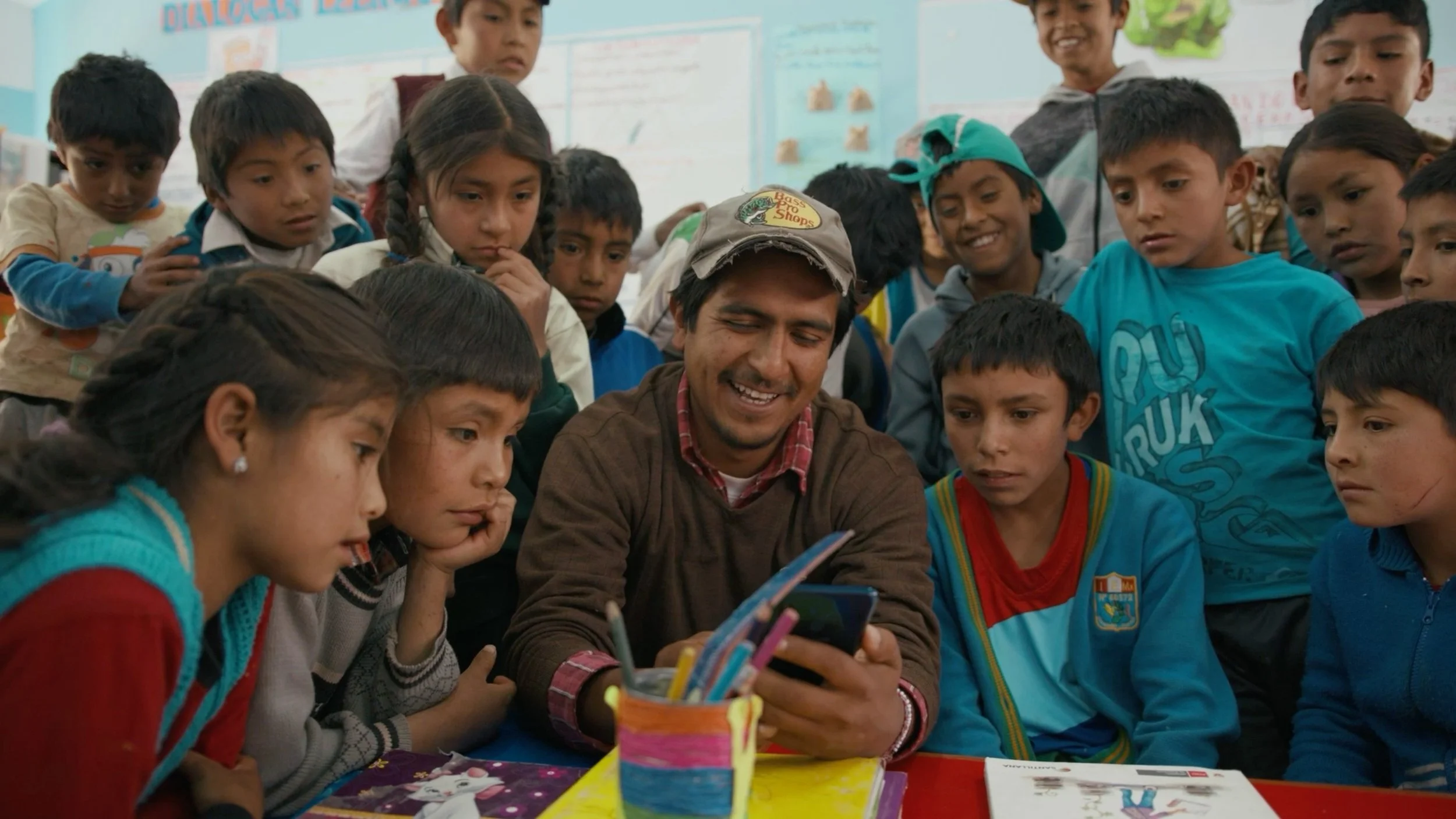
Ferando Valencia in Runa Simi
Our story starts in Cusco with Fernando, who has always entertained his friends with his natural talent for imitating famous characters. When he started using this skill to dub famous film scenes into his native language, the YouTube account ‘Quechua Clips’ was born. What started out as a hobby soon went viral, and Fernando recognised the demand for art and media delivered in his indigenous language. He set his sights on a larger project: dubbing the entirety of his childhood favourite, The Lion King, into Quechua. After persistent requests to Disney for collaboration go unanswered, Fernando is undeterred and forges ahead regardless. He assembles a cast of Quechua speakers from his community, builds his own recording studio, and edits the entire film with karaoke software, to bring The Lion King roaring to life in Quechua.
Speaking with Director Augusto Zegarra, I asked if he was concerned about there being any repercussions from Disney as the documentary reaches a wider audience. ‘To be honest, I’m not afraid to be on Disney's radar. In fact, I would love to be on Disney's radar! I hope they’ll answer both Fernando and our film, because I hope that they can see the value in what Fernando is doing and what he’s protesting for.’
He also talked about the importance of Fernando’s intentions from the outset. ‘Fernando does what he does because that's the only way he could do it. He didn’t wake up one day and say ‘How am I going to mess with Disney? How am I gonna break the law and not follow procedure?’ As you see in the film, he tried to do it all the legal way. I think one of the biggest social commentaries of the film is that indigenous people get promises all the time, but most of the time, they don’t come through. So, the reality is that indigenous communities get together and take the matter into their own hands and solve it in the way that they can.’
‘I'm proud of the documentary because it has done two things: First, to shine a bigger light on Fernando's project and the Quechua language and culture. And second, it captures a moment of reality of how things work in this part of the world.’
When asked whether he was hopeful that Disney will ever act on their request, Augusto replied ‘With Disney, you can see a difference already in their politics. Because I know how much they look after their image. I have faith that they will see the importance of our urgent story and that they might not only approve of the usage of this material, but they might even want to hold hands with Fernando and myself and do the dubbing in a more professional way, which is Fernando's dream. I'm also very realistic in the fact that it might never happen. But I still wake up every day and think ‘How do I reach Disney? How do I make it happen?’’
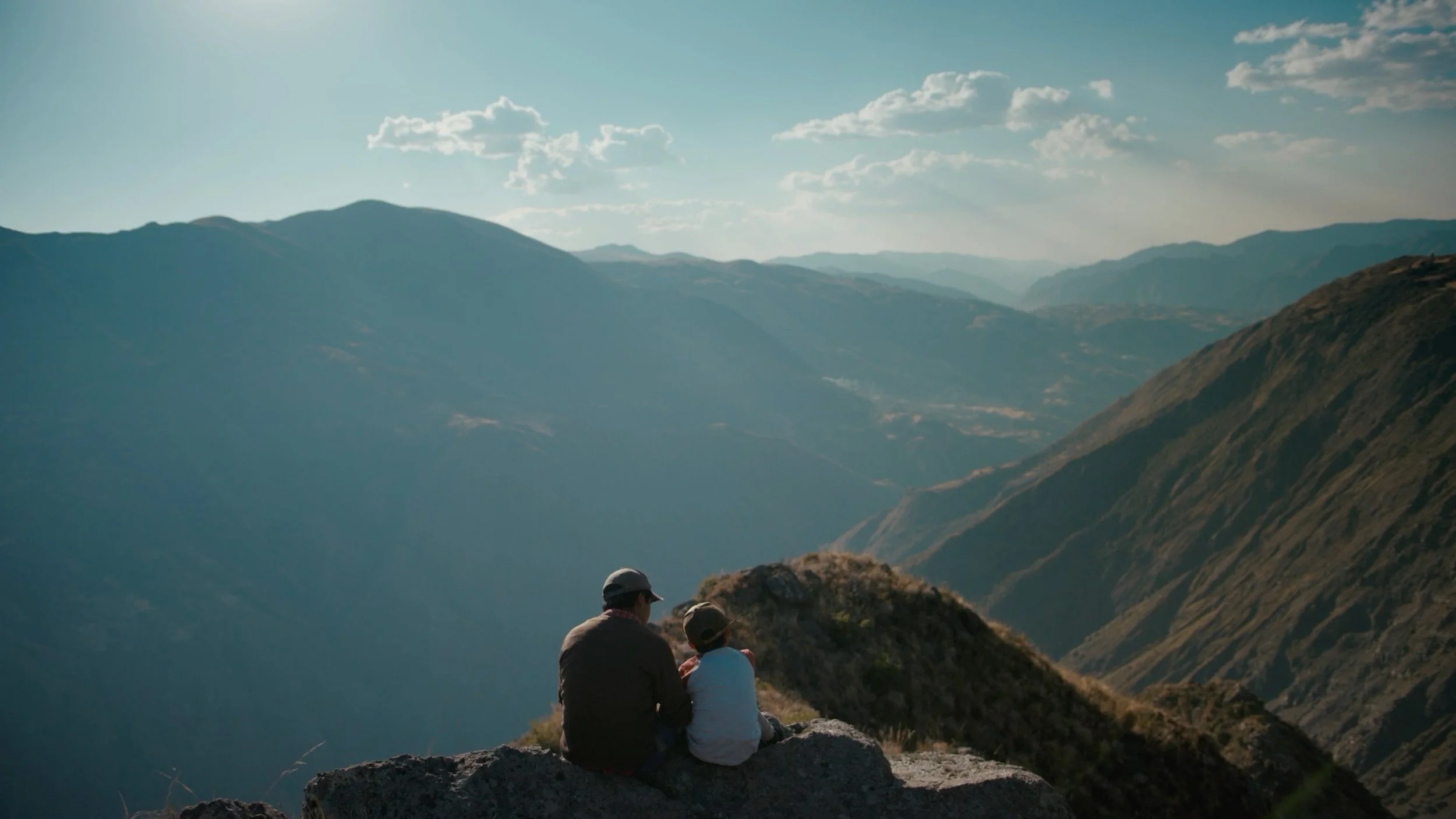
The documentary has a wonderful sense of place. Scenes of Cusco’s daily hustle and bustle are interspersed with glimpses of Quechua music and culture, or moments of pause to appreciate an expansive sky over the majestic Andes mountains. Against this backdrop, Fernando’s gentle relationship with his son Dylan adds a sweet dimension to his story, as he lovingly guides him through their culture.
The film’s title, Runa Simi, means people’s language. Quechua is the largest indigenous language in Latin America, spoken by between 8 and 10 million people, and approximately 14% of Peruvians (3.7 million people). After the colonization of Peru, Spanish became the language of power and prestige, and the use of Quechua in official and public realms was suppressed. Today, Quechua has been relegated to the language of lower social status, perceived as the language of rural, less educated people.
At first glance, Runa Simi is not overtly political, focusing more on Fernando’s warm familial bonds than dissecting the role of language as a tool of colonial power. However, its politics is embedded within its grassroots perspective. Interviews with the dubbing artists are woven throughout the film, exploring their relationship with Quechua and what Fernando’s project means to them and their families. These salient moments illustrate the politics of the documentary in a more personal way, keeping the story firmly grounded in Fernando’s community.
Disney’s website states that their mission is ‘to entertain, inform and inspire people around the globe through the power of unparalleled storytelling’ This documentary begs the question: for who? Which people get the access to this privilege? Fernando asserts that every child has the right to entertainment in their own language and passionately works to make this happen. Although these questions ultimately remain unanswered by Disney, Runa Simi is not about the multinational company. The strength of the documentary is that Fernando doesn’t wait for permission to address the needs of his community. He works passionately in spite of Disney’s apathy and the film is all the richer for it.
I spoke about how inspiring I found Fernando’s approach to change making. ‘I'm glad that you felt that way. I think with how the world is going right now, something I've learned during the process of making the film is that the only saviour for my sanity in the world is friendship and community. And doing it yourself because the government is not going to do it for me.’
I asked Augusto if he was ever worried that Fernando’s project was going to fail and the impact on the direction of the documentary if it did. ‘There was a moment where I was thinking OK, how are we gonna conclude this film? I mean, to me life is like that sometimes, it doesn't give you endings, not even a fairy tale ending, you don't have an ending because people stop pursuing their dreams, you know? I still think it would have made a great story: here is this indigenous man chasing a dream, but reality and life, it beats you, it happens every day.’
Runa Simi is a heartwarming story that captures the joy that cinema and arts can bring to communities. It reminds us not to take it for granted and demands that this privilege is extended to everyone.