
The Aftermath of Revolution: 7 Documentaries on Power and Memory
Porto/Post/Doc opened with revolution in the air and protests on the streets. Its rebellious programming marks a departure from the polite consensus of festival culture.
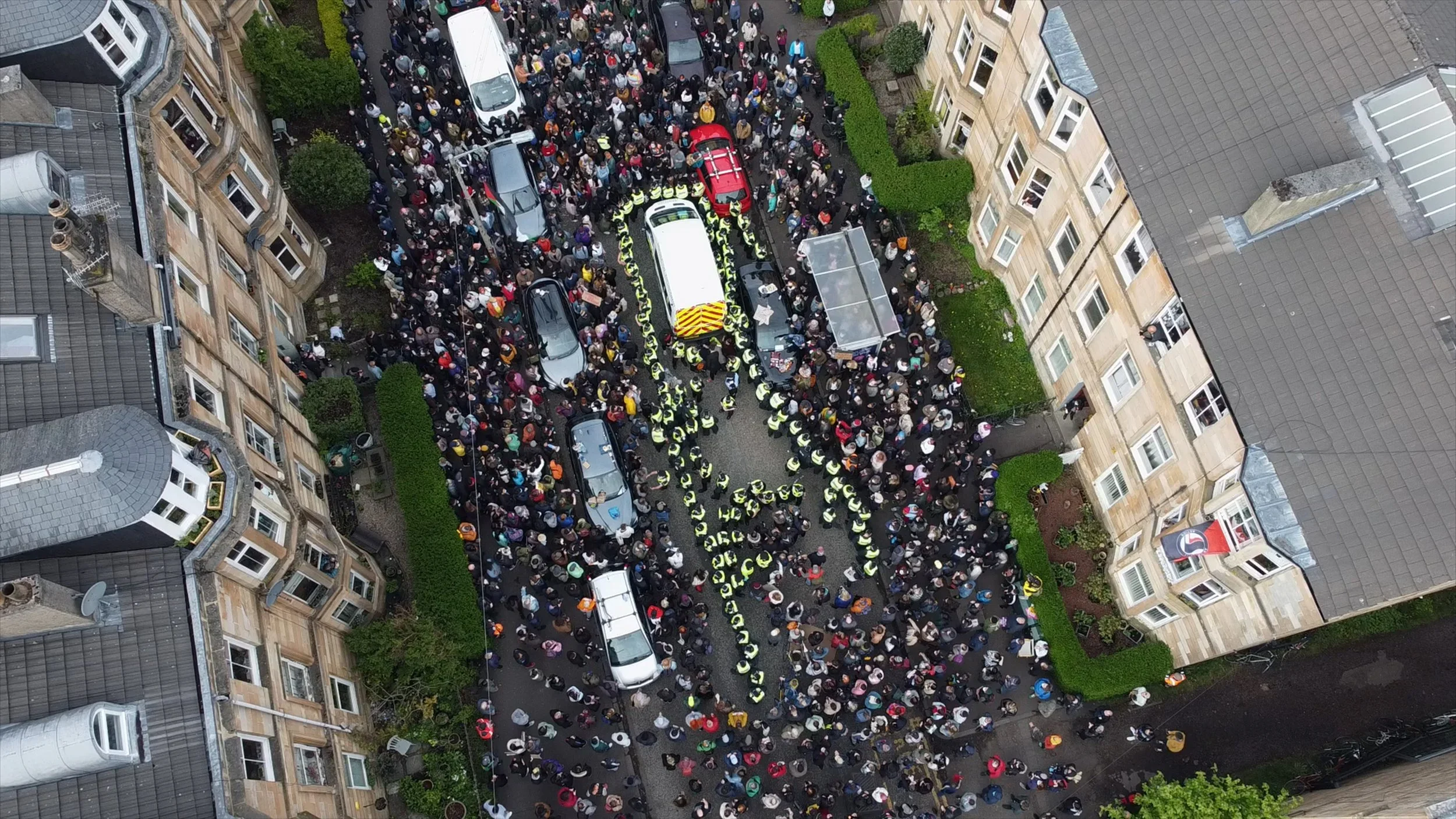
Beside a festival venue, protest tents remain pitched between bank headquarters and a Christmas tree: a surreal tableau of housing insecurity, finance and seasonal tchotchkes. Portugal’s housing crisis has become a struggle over assembly and protest rights, prompting Porto/Post/Doc to denounce police violence. When workers at Batalha Centro de Cinema went on strike, screenings including Pegah Ahangarani’s Iranian documentary and Œil d’or winner Rehearsals for a Revolution (2025) were cancelled: a disruption consistent with the political commitments of a festival mainstreaming revolt.
Alfonso Cuarón set Children of Men’s dystopia in November 2027, a proximity that makes its violence and resistance feel disquietingly contemporary. Porto/Post/Doc’s Artistic director Dario Oliveira’s allegiance to filmmakers over governments and corporate power gives his programming a comparable urgency: bringing films across generations into abrasive contact with one another and the present, he insists on cinema’s capacity to disturb the terms on which we accept the world.
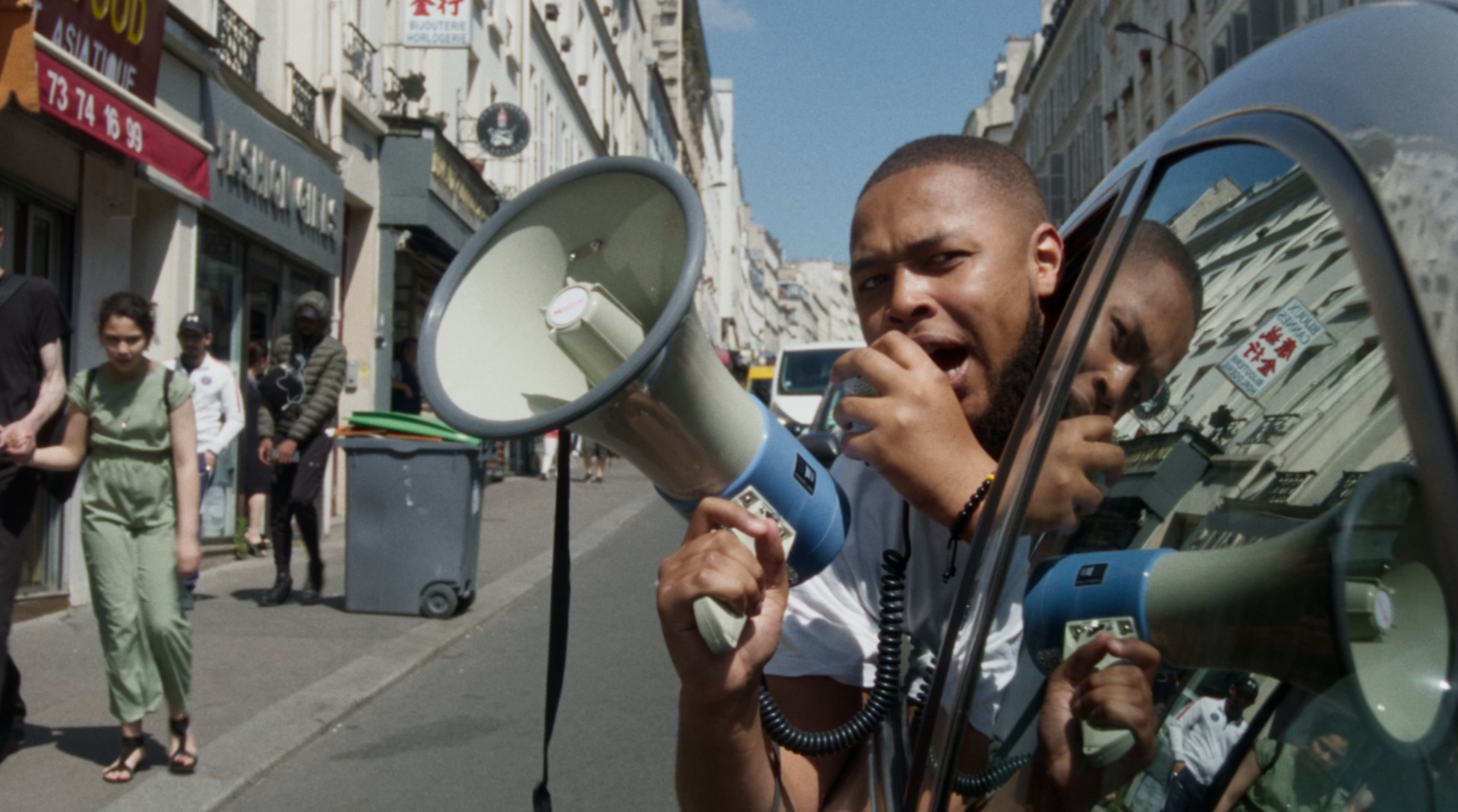
It’s a good year for revolutionary vibes. Festival darlings Amílcar (2025) and To Hold a Mountain (2026) give those sympathies clear expression, while Once Upon a Time in Harlem (2026) returns a treasure trove of Black cultural memory to circulation. Together, they make independence, land and cultural survival matters of continuing struggle, whose victories remain vulnerable to reversal and erasure.
Our seven films pursue those unfinished struggles through working lives, testimony, photographs and recovered footage. By returning these materials to public scrutiny, they dispute the authority to decide which struggles are over, which promises can be abandoned, and whose testimony counts as history.
1. The City and the Maps (2026) Alexandra Guimarães and Gonçalo L. Almeida
A Bangladeshi delivery rider and a young architect navigate Porto through different maps, revealing a new working class and a city reshaped by tourism, migration and labour. A sweet and sensitive debut, coming out of the festival’s own Working Class Heroes programme, giving its political commitments local bearings. Their routes expose the distance between the city offered to visitors and the city its workers inhabit, recovering histories and relationships that redevelopment threatens to displace. An instant classic, and an eye-opening proposition: the struggle over who belongs begins with the people whose labour makes the city possible.
2. Donna: Women in Revolt (1980) Yvonne Scholten
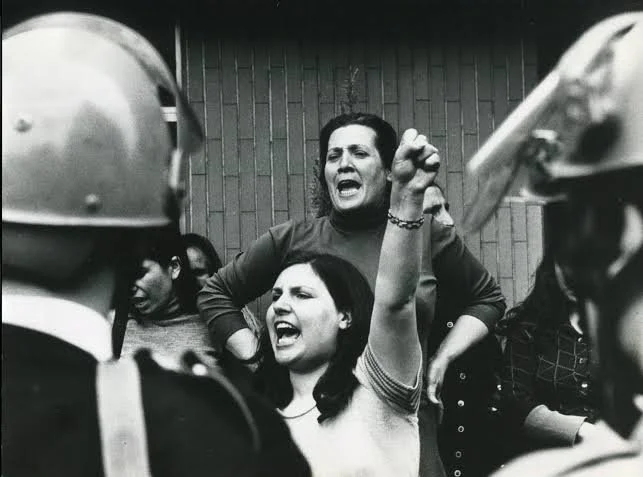
The right to occupy public space also means having the means to speak within it. Following the fascist attack on Rome’s Radio Donna in 1979, veteran journalist Yvonne Scholten traces eight decades of Italian women’s struggles through interviews and archival material, connecting feminist activism with resistance to political, religious and social oppression. This 1980 documentary makes communication itself a political battleground: attacking a feminist radio station means attacking women’s capacity to organise, disseminate experiences and establish their own accounting of events. Recovering the film today extends that struggle into cinema history, where women’s political and artistic contributions have themselves required sustained reclamation.
3. Os Continuadores da Revolução: We Must Not Forget the Past (2026) Pedro Neves
Thousands of Manuel Roberto’s photographic negatives reopen post-independence Mozambique under Samora Machel: its schools, workers and collective mobilisation. Read alongside memories of the revolution, these images invite the examination of what became of its promises, and of the distance between the future people imagined and the history they subsequently lived. The archive preserves the gestures through which an emancipatory project entered everyday life, making those aspirations available for renewed scrutiny. Remembering therefore carries an obligation to ask what remains unfulfilled, and whether the passage of time has diminished the legitimacy of those demands.
4. Revolutionaries Never Die (2026) Mohanad Yaqubi
The inheritance of revolutionary images extends beyond the borders of any single struggle. Yaqubi returns to Jocelyne Saab’s footage of conflict and revolution across the Arab world between 1973 and 1983, reopening a record of political commitment and solidarity. Their recovery also becomes an inquiry into how such images are circulated, inherited and reinterpreted, as the circumstances of their making recede and new conflicts alter their reception. The title’s defiance places a demand on the act of looking: what responsibility accompanies our access to images made by people who understood filming as participation in the struggles unfolding before them?
5. Atlas of Disappearance (2026) Manuel Correa
The consequences of controlling the historical record become painfully material in Correa’s documentary. Three relatives search for loved ones who disappeared during the Spanish Civil War, drawing on citizen archives, digital mapping and forensic technologies to investigate the transfer of thousands of bodies to Valle de los Caídos. Intimate loss confronts monumental state history, while the work of remembrance becomes a struggle over evidence, identification and burial. These families’ demands expose the continuing authority of an imposed silence: the violence persists in their inability to locate the dead and establish publicly what happened to them.
6. On the Art of the Set Design (2018) Jan Ijäs
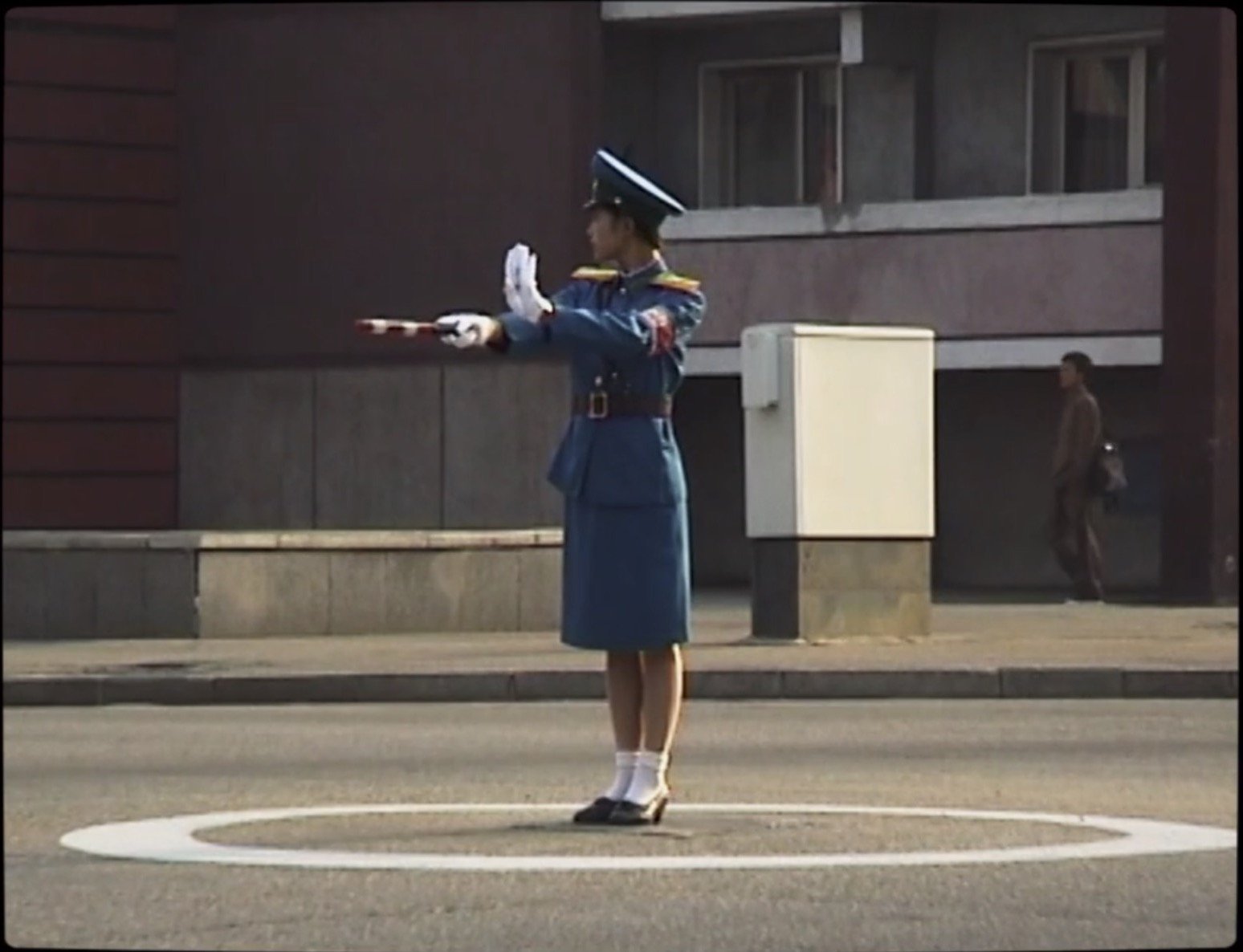
From what power conceals, Ijäs turns to what it deliberately displays. Drawing on Kim Jong-il’s writings on set design, this 2018 short examines monuments, interiors and public spaces during a controlled journey through North Korea, bringing cinematic staging into contact with ideology and the official image. Architecture becomes a means of directing the gaze, organising how a country presents itself and the positions available to those observing it. Within this selection, the film raises an uncomfortable question about revolutionary inheritance and the promise of collective emancipation acquiring the authority to stage its own unquestionable reality.
7. Rewind & Play (2022) Alain Gomis
The machinery of representation becomes visible again in a French television studio: Gomis revisits unused footage from Thelonious Monk’s appearance there in 1969, exposing retakes, mistranslations and the process through which a Black artist’s public image is constructed. This 2022 documentary, included in the Focus Alain Gomis section, subjects the broadcast encounter to scrutiny through material excluded from its finished account. The archive records the exercise of editorial authority alongside the performance it was intended to preserve. Returning to it makes that authority contestable, allowing cinema to reopen the terms on which a person was permitted to enter public memory.
Porto/Post/Doc: Film & Media Festival’s 13th edition runs 19-28 November 2026 in Porto, Portugal.